









Air-Purifying Plants
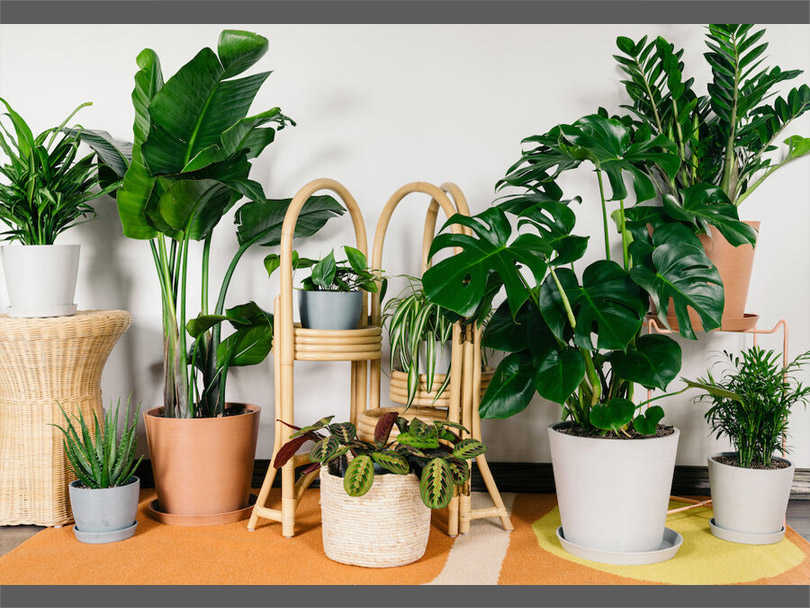
If you are looking to buy potted indoor plants for your home or workplace, we recommend reading the information in this section first. Indoor plants are often admired for their beauty and used to decorate interior spaces. They can also create a fresh, lively atmosphere. However, buying of houseplants many benefits beyond their aesthetic appeal, some of which are often overlooked.
Living in large cities offers many advantages and conveniences, but it also comes with certain drawbacks and challenges. One of the most significant problems in today's world is air pollution. When you hear this term, you may think of smoke, traffic, and similar issues. However, it is important to understand that air pollution is not limited to the outdoors or the areas surrounding your home or workplace. Indoor spaces can also contain numerous pollutants and airborne particles that may pose risks to your health. Particles released by cleaning products, disinfectants, insecticides, and other substances can all contribute to indoor air pollution. Exposure to these pollutants may cause headaches, allergies, shortness of breath, and fatigue. In severe cases, they may even contribute to serious illnesses such as cancer.
Research has shown that certain indoor plants can help purify the air and combat pollution by absorbing harmful substances. Extensive studies conducted by NASA on this subject, including research led by Dr. Bill Wolverton, identified approximately 50 plants with the potential to filter the air and remove pollutants.
How Do Plants Help Reduce Air Pollution?
Plants are among the most beneficial and harmless ways to help reduce pollution. They absorb pollutants and toxins through several different mechanisms:
1. Plants can absorb toxins through their roots and convert them into nutrients that support healthier, more vigorous growth.
2. Plants can absorb airborne toxins through their leaves and transfer them to their roots. Over time, these substances may be converted into nutrients that help the plants grow.
3. Plants absorb carbon dioxide from the surrounding environment through their leaves and release oxygen through photosynthesis.
Buying houseplant with air-purifying properties not only adds beauty and vitality to your home or workplace but may also help improve indoor air quality. Since the positive effects of breathing cleaner air on human health are widely recognized, the value and importance of plants become even more apparent.
Below, we introduce several of these plants and explore their characteristics:
1. Snake Plant:
The snake plant is one of the plants known for its air-purifying properties. This evergreen plant is highly resilient, adapts well to different environmental conditions, and does not require special growing conditions or extensive care. It acts like a natural air filter, helping remove harmful airborne pollutants. These include formaldehyde, benzene, xylene, and trichloroethylene. In addition to producing oxygen at night, the snake plant can also absorb considerable amounts of carbon dioxide. Avoid overwatering it, place it in a well-lit area, and keep it away from excessive moisture.
2. Peace Lily:
The peace lily belongs to the Araceae family. It is very easy to grow and care for. It can help purify the air in its surroundings while also adding moisture to the environment. Water your peace lily once a week, and use warm water to mist its glossy green leaves and keep them clean. Its leaves contain calcium oxalate, which makes the plant toxic if ingested. For this reason, keep it out of reach of children and pets. The peace lily can help remove pollutants such as benzene, formaldehyde, xylene, carbon monoxide, and others.
3. Philodendron:
Philodendrons come in many varieties. The split-leaf philodendron, heartleaf philodendron, and elephant ear philodendron are among the best-known and most popular types. In general, philodendrons are easy to care for and can be kept healthy and thriving by following a few basic care guidelines. Philodendrons are also considered air-purifying plants and can help remove formaldehyde from the air.
After purchasing a philodendron as an indoor plant, it is important to understand its care requirements. It needs low to indirect light, appropriate watering and humidity, occasional misting, and regular leaf cleaning.
4. Dracaena Compacta:
Dracaena Compacta is an easy-care plant that can remain healthy for many years when properly maintained. To care for it correctly, keep in mind that it grows best in gentle, indirect light. Its soil should remain consistently moist, and its roots should never be allowed to dry out completely. Mist the leaves regularly with warm water. If the leaves become too dry, their surfaces will first turn brown and may eventually deteriorate. Dracaena Compacta is particularly effective at removing trichloroethylene from the air. It can also help remove xylene and formaldehyde.
5. Spider Plant:
Another indoor plant known for its air-purifying properties is the spider plant (Chlorophytum comosum). Thanks to its easy-care nature, it is an excellent choice for people who are new to growing and caring for plants.
The spider plant can adapt to a wide range of environments and growing conditions. It is not particularly demanding when it comes to light, and indirect light is generally best for its growth. Water it twice a week during summer and once a week during winter. During the summer, it is also beneficial to mist its leaves daily. The spider plant can help remove pollutants such as xylene and formaldehyde from the air.
6. Ficus Benjamina:
In general, humid environments with relatively low light levels are suitable for growing Ficus benjamina. When watering this plant, keep in mind that it is time to water again once the soil has become slightly dry. In other words, its soil should never be allowed to dry out completely. The ideal temperature for Ficus benjamina is generally between 16 and 24°C (61–75°F). Ficus benjamina is another plant known for its air-purifying properties. It can help remove pollutants such as benzene, formaldehyde, and trichloroethylene from the air.