








Getting to Know the Sunflower
Scientific name: Helianthus annuus
Family: Asteraceae
The sunflower is an annual plant native to North America, ranging from central Canada to northern Mexico. Depending on the variety and environmental conditions, the sunflower's growing season can range from 90 to 150 days.
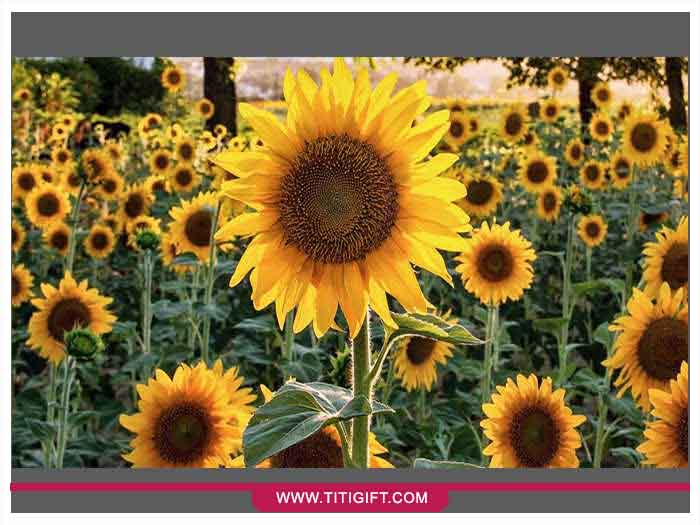
Sunflowers are heat-tolerant flowering plants that grow during the summer. They have large, sun-shaped flower heads, which is why they are commonly known around the world as "Sunflowers." Sunflowers have large, heart-shaped, rough leaves covered with fine hairs, as well as sturdy, hairy stems. They can grow to a height of up to 4 meters. The roots of this flower are very deep and can penetrate the soil to depths of up to 3 meters.
Sunflowers are popular worldwide because of their edible seeds. They are also widely cultivated in various parts of the world, including Iran, for the extraction of oil from their seeds. In addition to these uses, sunflowers are also commonly used in various beautiful floral arrangements and decorations at flower shop, including for online flower orders.
The scientific name of the sunflower is related to its ability to orient itself. Sunflowers turn toward the east in the morning and toward the west in the evening.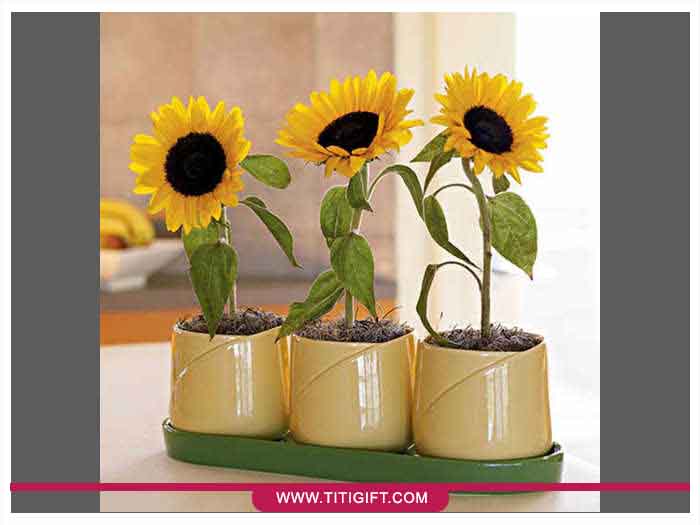
Sunflower Care and Environmental Requirements:
Light: Sunflowers have high light requirements and need an open location with full sunlight to grow properly and maintain an upright form. If a sunflower is planted in the shade, it will not develop fully and may not be able to support its own weight, causing it to bend and eventually break.
Temperature: Sunflowers generally do not tolerate low temperatures well and have limited resistance to cold. The ideal temperature for sunflower growth is between 15 and 35 degrees Celsius.
Watering: For sunflowers to grow well, reach sufficient maturity, and produce high-quality seeds, they require regular and adequate watering. As mentioned earlier, sunflowers have deep root systems. Depending on soil density and texture, root characteristics, and rooting depth, different varieties of sunflowers can survive for a certain period without water. Therefore, sunflowers are considered relatively drought-tolerant plants.
Soil: The ideal soil for growing sunflowers should have good drainage and a neutral to slightly alkaline pH to support healthy and adequate growth.
Sunflower Pests:
Some birds are attracted to sunflower seeds. For this reason, it is best to use protective measures to keep your plant safe from this type of damage. Some butterflies lay their eggs on sunflower blooms, and it is best to remove these caterpillars from your plant.
Mealybugs, powdery mildew, rust, and other pests and diseases may also affect your sunflower. If you notice these pests or if your sunflower develops fungal diseases, apply fungicidal solutions to the plant regularly.
Sunflowers do not tolerate excessive moisture well. If the soil becomes too wet, the leaves of the plant may begin to wilt and turn yellow. Soil that remains excessively wet or waterlogged can also create favorable conditions for fungal diseases.

Uses of the Sunflower Plant:
All parts of the sunflower have medicinal properties and are widely used in traditional medicine. Sunflower leaf essential oil is used as an antimicrobial agent, while sunflower flower essential oil is used to help heal wounds and lower blood pressure. Edible sunflower seeds are rich in magnesium and vitamin E, and consuming them may help lower blood pressure, prevent heart attacks and strokes, promote relaxation, maintain bone health, and reduce the risk of developing cancer.
Sunflowers are also highly important for commercial purposes. Sunflower seed oil is extracted worldwide for use in the food and edible oil industries. Sunflower stems are used to produce paper, while the leaves are used as animal feed in many parts of the world.