









When Is Peony Season? A Complete Guide to Peony Flowers
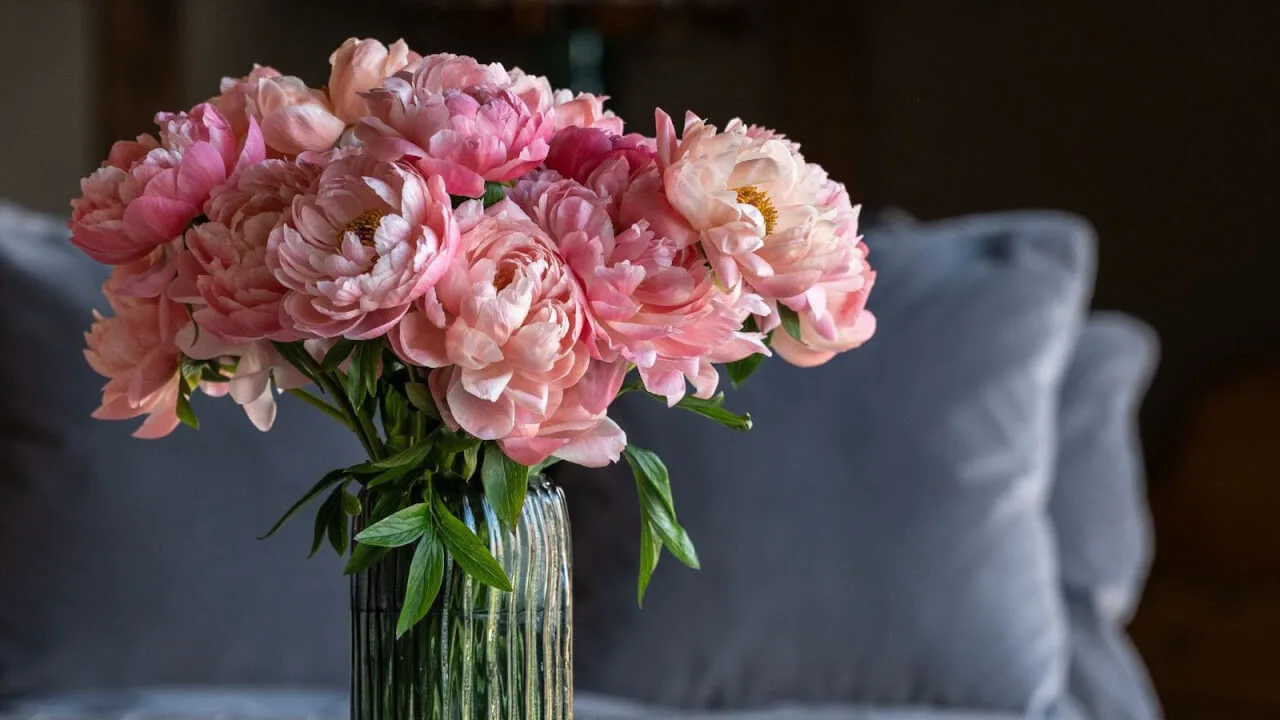
One of the oldest, most beautiful, and most extraordinary flowers in the world is the magnificent peony. This hardy perennial produces large, lush blooms with countless petals and a delightful fragrance that instantly captures attention. In Iran, this flower is widely known as the "Sad Tomani" flower. Once planted, peonies can bloom beautifully for decades. If you're curious about the origin of its name, its different varieties, proper care, and most importantly, the peony season for planting and harvesting, keep reading as we explore everything you need to know about the peony flower and its unique characteristics.
Why Is the Peony Known as the "Sad Tomani" Flower in Iran?
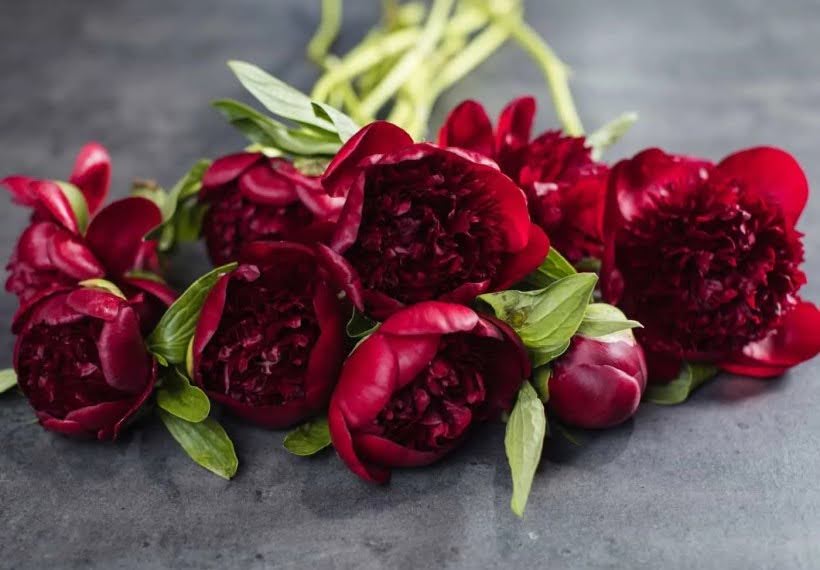
Peony flowers trace their name back to Greek mythology. Paeon was the physician of the gods, and according to legend, Zeus transformed him into a beautiful flower to save him from Asclepius. Since then, the flower has been known as the peony. In Iran, this elegant bloom is called by several names, including Peony, Noman's Poppy, and most famously, Sad Tomani.
There are two popular stories behind the nickname "Sad Tomani." The first suggests that when peonies were first introduced to Iran, they were considered extremely rare and luxurious, with each flower selling for 100 Tomans—a remarkable price at the time.
The second story says that after Mozzafar al-Din Shah first saw the flower in the royal garden, he rewarded the gardener with 100 Tomans. This memorable event supposedly inspired the flower's Persian nickname. Regardless of which story is true, both highlight how extraordinary and valuable peonies were when they first arrived in Iran. Today, peonies symbolize wealth, romance, prosperity, good fortune, and honor, making them one of the most popular flowers for bridal bouquets and elegant home or office decorations.
Types of Peonies and Their Characteristics
Before discussing the peony blooming season and the best time for planting or harvesting, it's helpful to become familiar with the three main types of peonies.
Tree Peonies: The National Flower of China
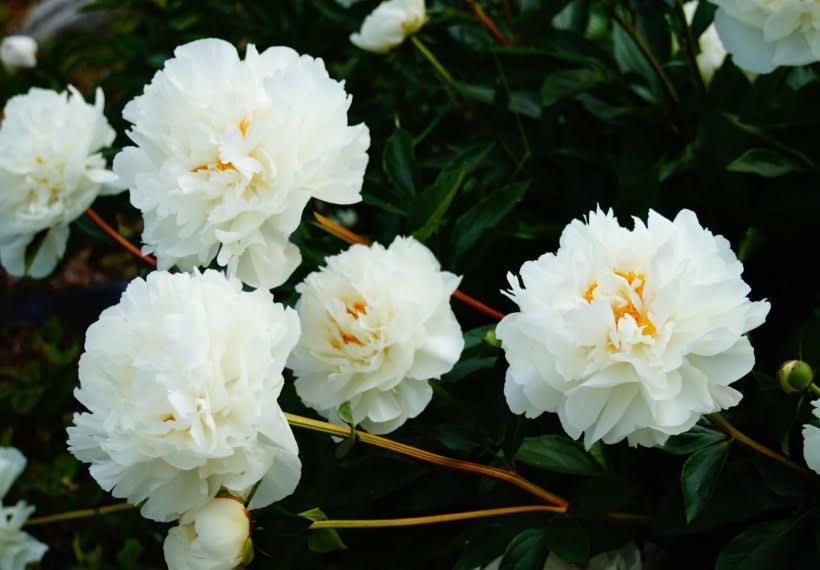
Tree peonies are long-lived woody shrubs that can grow up to two meters tall. Their sturdy woody stems support spectacular blossoms that may reach up to 30 centimeters in diameter while producing an exceptional fragrance. Unlike herbaceous peonies, tree peonies retain their woody framework throughout winter, although their leaves naturally fall. They are available in a wide variety of stunning colors and are recognized as China's national flower. Tree peonies bloom in early spring, with famous cultivars including Joseph Rock, Island Minister, and Alice Harding.
Herbaceous Peonies: The Most Popular Variety
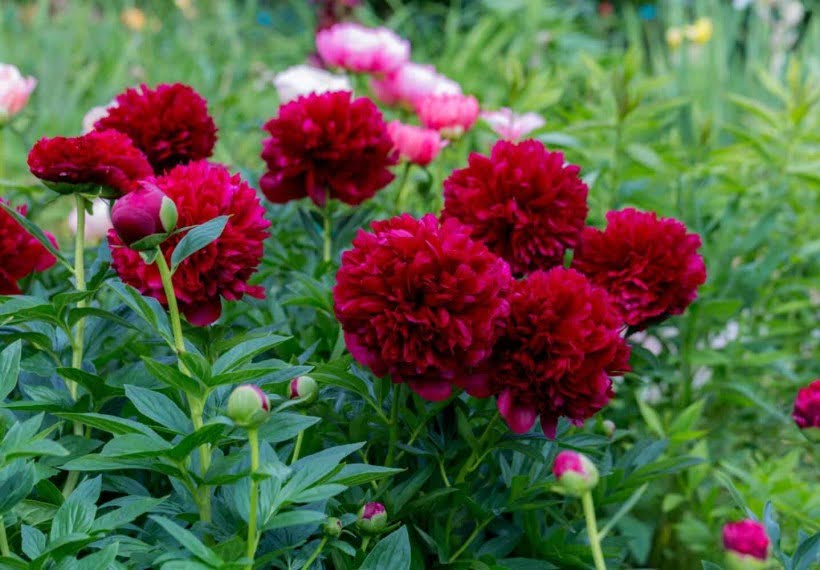
Herbaceous peonies are among the longest-living flowering plants and can thrive for up to a century after planting. Every spring, fresh shoots emerge from the ground because the previous year's stems naturally die back during autumn and winter. This is the most common and beloved type of peony, admired for its large, round, densely petaled flowers.
These peonies typically bloom from late spring to early summer. Their blossoms may feature single, semi-double, or fully double petals. Popular cultivars include the bright red Bomb Peony, known for its perfectly spherical blooms, and Festiva Maxima, famous for its white petals accented with striking crimson markings.
Intersectional (Itoh) Peonies: The Best of Both Worlds
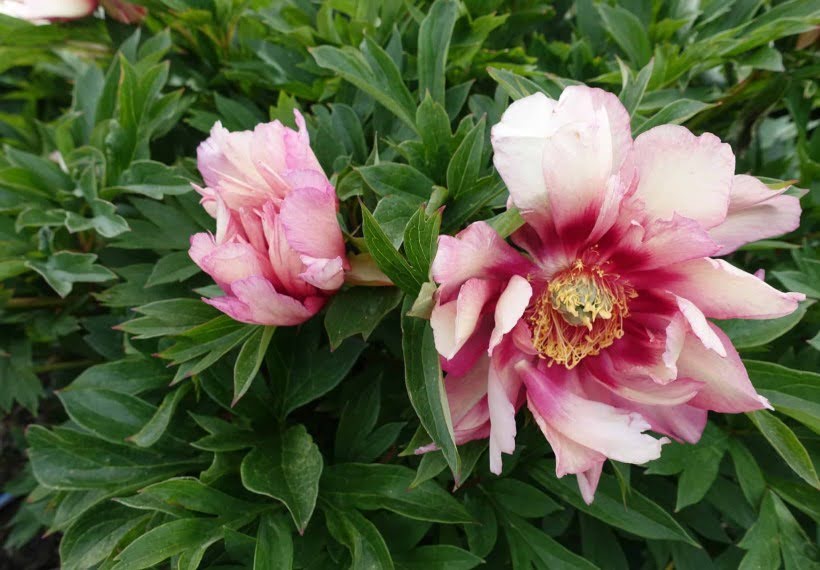
Itoh peonies, also known as intersectional peonies, are hybrids created by crossing tree peonies with herbaceous peonies. They combine the finest qualities of both parents, producing large, fragrant flowers with excellent longevity while following the seasonal growth cycle of herbaceous varieties. Their blooms display an incredible range of colors. Popular cultivars include Bartzella with its lemon-yellow flowers, Lord Louis featuring white petals with a purple center, and Julia Rose, whose blossoms gradually change color from red to orange and finally to soft pink.
When Is Peony Season?
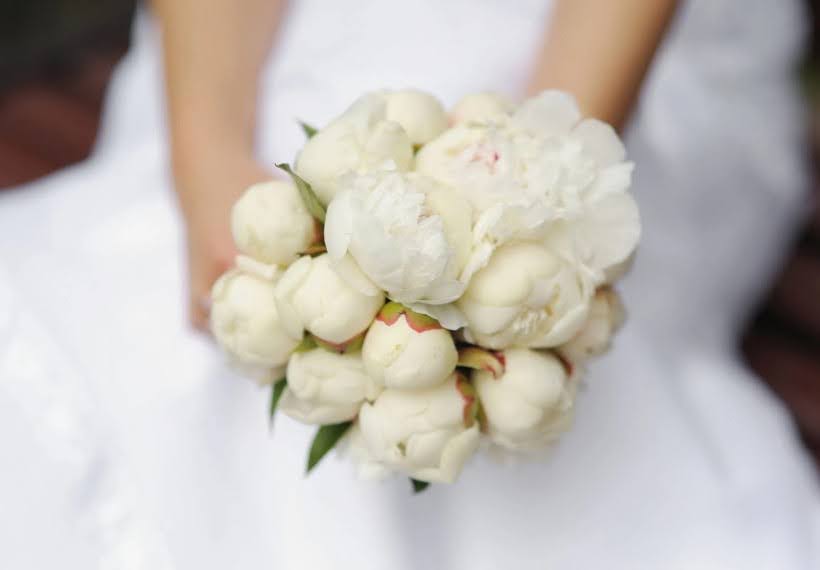
Whether you're planning to buy, plant, or harvest peonies, understanding their growing season is essential.
Peony Buying Season
Fresh peonies are not available year-round. If you've chosen peonies for your wedding bouquet or a special occasion, you'll be pleased to know that their natural season extends from late spring through early summer. During this period, you'll find the widest selection of colors and varieties at the best prices. Outside of this season, peonies become much rarer and significantly more expensive, with limited availability in only a few regions.
Peony Planting Season
Autumn is the ideal season for planting peonies. These plants require a period of winter chilling after planting in order to establish healthy roots and produce abundant blooms. For this reason, the best time to plant peonies is from late September through mid-November. Peony seeds should experience temperatures below 7°C (45°F) for at least six to eight weeks while in the soil. This chilling period is essential for successful growth and flowering, which is why peonies generally do not perform well in the warm southern regions of Iran.
In colder regions such as Azerbaijan, Ardabil, and Urmia, planting may also be possible during the last weeks of winter or even the beginning of spring. However, if the plants do not receive enough cold exposure, they may fail to grow properly or produce flowers.
Peony Propagation Season
If you plan to propagate peonies, timing is just as important as planting. The most common and successful propagation method is dividing mature clumps. Every eight to ten years, preferably during autumn, carefully lift the plant from the ground and divide the root system into several sections. Each division should contain at least three healthy buds (also called eyes) to ensure vigorous future growth.
Peonies can also be propagated from root cuttings that contain healthy buds, which should be replanted in fresh soil. Growing peonies from seed is another option, although it requires more patience. Regardless of the propagation method, autumn remains the best season for both planting and propagation. Attempting either process outside this period significantly reduces the chances of success. Once your peonies are planted or propagated, the next step is learning how to care for them properly.
How to Care for Peonies
Whether you're planning to buy flowers or grow peonies in your garden, flower bed, or containers, following these care tips will help your plants thrive.
Caring for Peonies in Pots
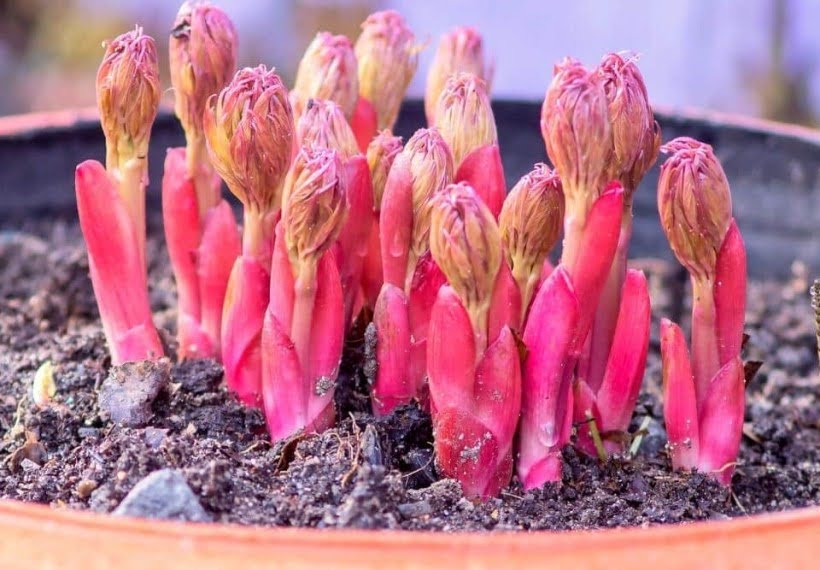
Peonies can be successfully grown in large containers, allowing you to enjoy their spectacular blooms on patios, balconies, or indoors near bright windows. To keep container-grown peonies healthy, consider the following recommendations:
- Choose a large, deep container with a minimum capacity of 50–60 liters.
- Use a well-balanced growing medium consisting of approximately 50% garden soil, 30% well-rotted compost, and 20% perlite or vermiculite.
- Excellent drainage is essential. Make sure the pot has several large drainage holes at the bottom so excess water can flow out easily. If necessary, increase the number of drainage holes to eight or ten.
- Because peonies require a winter chilling period, move outdoor containers outside during the colder months. In regions with extremely harsh winters, protect the pot by wrapping it with burlap, thick fabric, or frost-protection materials.
- Feed the plants with a balanced 10-10-10 fertilizer in spring and a high-potassium fertilizer in autumn to encourage healthy flowering.
If you're growing peonies in containers, herbaceous and Itoh varieties are generally the best choices because they adapt well to pot cultivation while producing excellent blooms.
How to Care for Cut Peonies
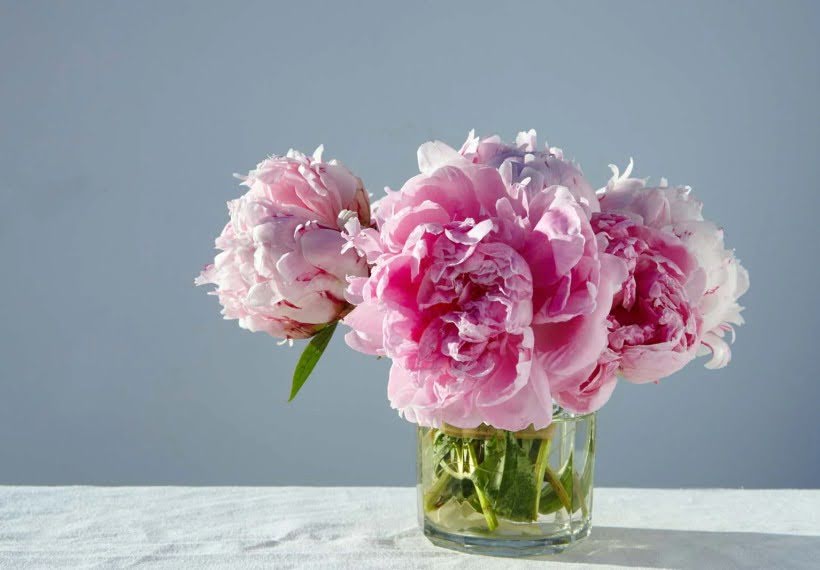
Fresh-cut peonies require a different care routine to maximize their vase life. Follow these simple steps to enjoy your flowers for as long as possible:
- Trim each stem at a 45-degree angle before placing it in lukewarm water (approximately 40°C / 104°F).
- Use a commercial flower preservative to extend the life of the blooms.
- Replace the water every two days and trim a small section from the bottom of each stem every time you change the water.
- Keep peonies away from fruits such as apples, bananas, and kiwis, as they release ethylene gas that accelerates petal drop and flower aging.
- Store the vase in a cool location with temperatures around 15–18°C (59–64°F), away from direct sunlight.
- Double-flowered peonies typically last longer in a vase than single-flowered varieties, making them the best choice if you want longer-lasting cut flowers.
Now that you know how to care for peonies, let's explore three of the most popular and beloved peony varieties grown around the world.
The Most Popular Peony Varieties
The peony is one of the most beloved natural flowers in the world. Among its countless cultivars, the following varieties are especially admired for their beauty and outstanding performance.
Sarah Bernhardt
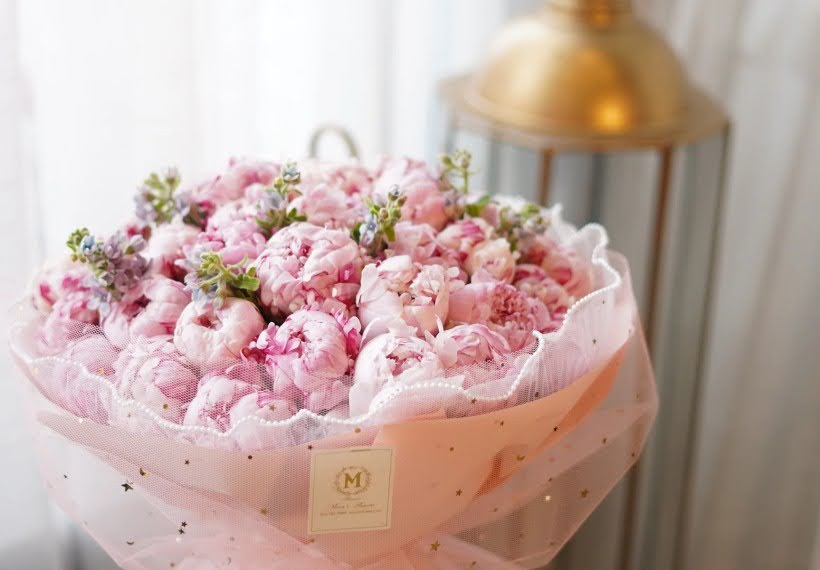
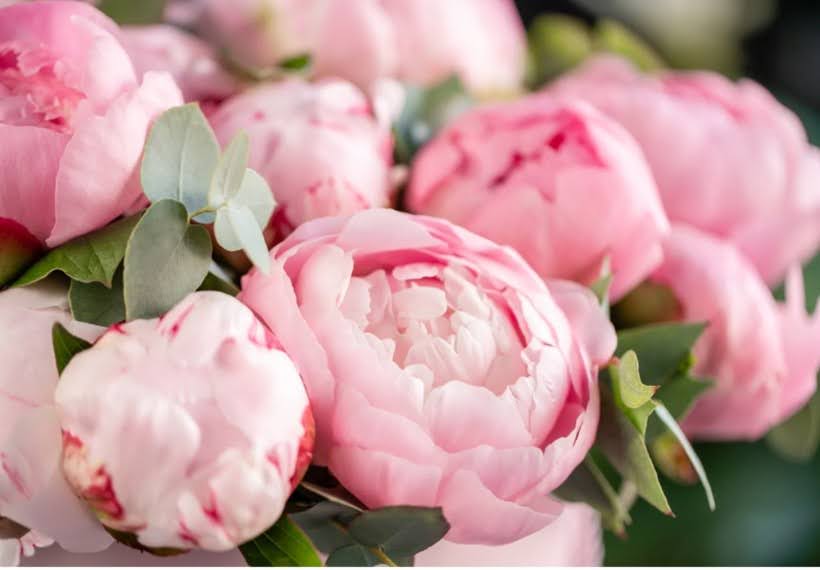
Sarah Bernhardt is the classic pink peony that has captivated gardeners for over a century. Its enormous blooms, measuring 20–25 cm (8–10 inches) across, sit atop sturdy stems reaching 90–100 cm (35–40 inches) in height. Thanks to its remarkable cold hardiness down to -35°C (-31°F) and its ability to tolerate summer temperatures of up to 40°C (104°F), it is one of the best peony varieties for a wide range of climates. The flowers are typically harvested in late spring.
Coral Charm
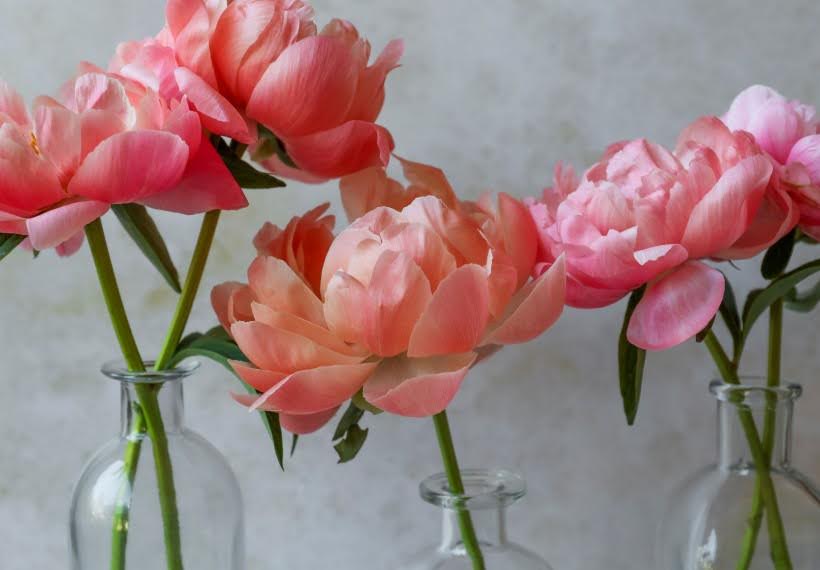
Coral Charm is famous for its fascinating color transformation throughout the blooming process. The buds begin with rich coral-orange tones, gradually soften into coral pink, and eventually mature into delicate peach and creamy shades. This early-blooming variety flowers slightly ahead of most other peonies. For gardeners, early autumn is the ideal planting season, while flowering typically begins in early spring.
Bartzella
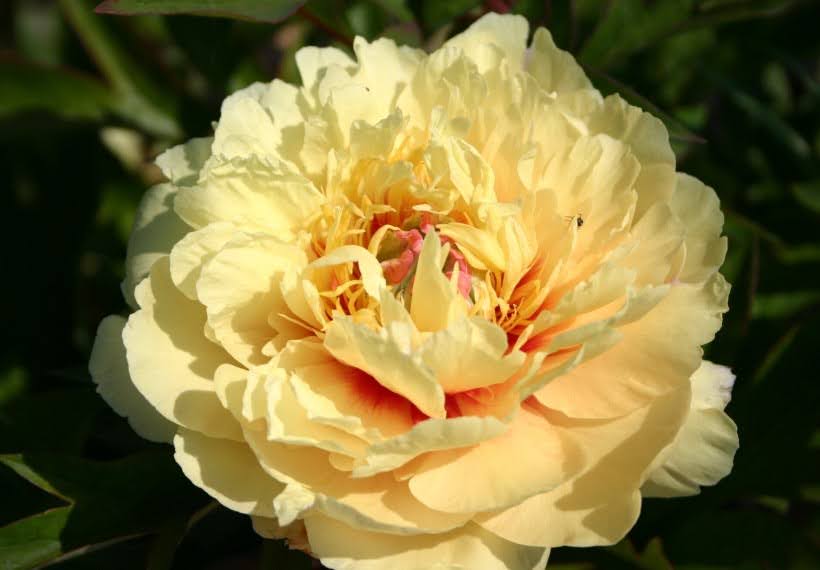
Bartzella is one of the most luxurious and highly prized Itoh peonies. Its spectacular lemon-yellow flowers, accented by deep burgundy-red centers, can reach 25–30 cm (10–12 inches) in diameter. Mature plants are capable of producing 50 to 80 fragrant blooms each season, filling the garden with a fresh citrus-like scent. With a lifespan of up to 50 years, outstanding cold tolerance down to -30°C (-22°F), and excellent resistance to heat and drought, Bartzella is considered one of the finest peony cultivars for home gardens.
Peonies: The Timeless Queen of Every Garden
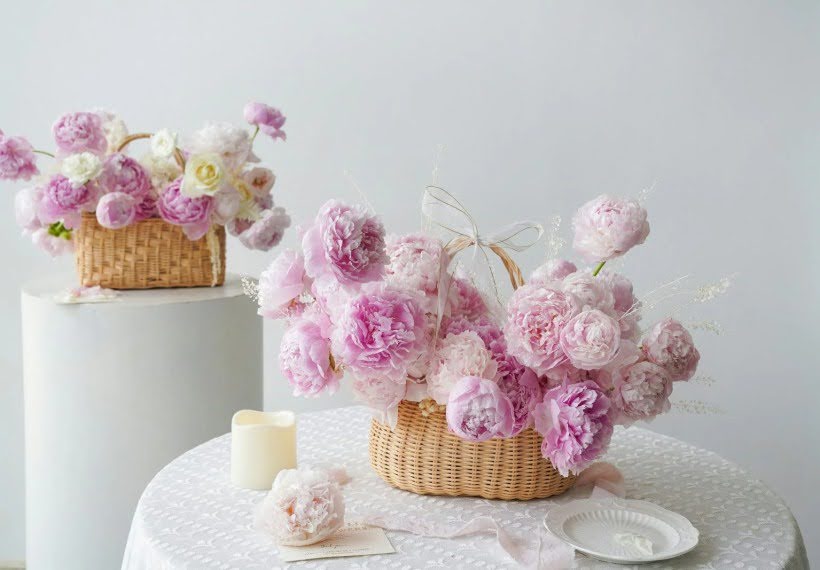
Peonies are admired for their breathtaking beauty, lush layered petals, and unforgettable fragrance. Once established, these long-lived perennials can thrive for decades, rewarding gardeners with magnificent blooms every spring. Their natural flowering season extends from late spring to early summer, making this the best time to purchase fresh peonies at more affordable prices. Whether you're looking for a romantic flower bouquet, an elegant flower box, or a luxurious floral basket for a special occasion, peonies are always an exceptional choice.
At TitiGift, you'll find a beautiful selection of premium peonies in a variety of colors during their peak season. Wherever you are in the world, you can easily order a stunning peony arrangement and let us deliver your thoughtful gift to your loved ones with speed, care, and exceptional quality.
Frequently Asked Questions
When is peony season?
Peonies naturally bloom during late spring and early summer. The best time to plant them is from early autumn through mid-autumn, allowing the roots to establish before winter.
Can peonies grow in Iran?
Yes. Peonies thrive in regions that experience cold winters because they require a winter chilling period to flower successfully. They grow especially well in cooler northern and mountainous areas, while very warm southern climates are generally not suitable for healthy flowering.
How should cut peonies be cared for?
Trim the stems at an angle before placing them in clean, lukewarm water. Replace the water every two days, recut the stems each time, keep the flowers in a cool location away from direct sunlight, and avoid placing them near fruits such as apples and bananas, which release ethylene gas that shortens the flowers' vase life.