









Introduction to the Syngonium Plant
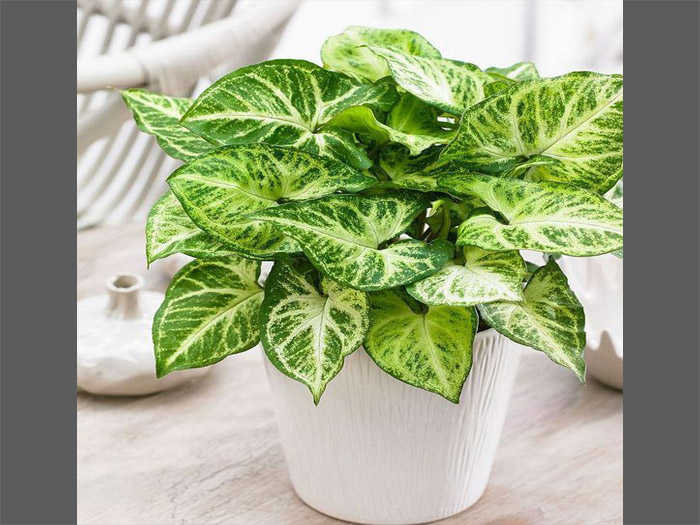
Scientific Name: Syngonium vellozianum
Family: Araceae
The Syngonium plant is an attractive and hardy houseplant that tolerates low-light conditions and adapts well to different indoor environments. Ordering a Syngonium houseplant can be a good choice for areas such as bright stairways, where sufficient indirect light is available. Under suitable conditions, Syngonium can grow well and its attractive, arrow-shaped leaves can add a fresh and decorative touch to any indoor space. The plant has beautiful light-green leaves with a distinctive arrowhead shape. It belongs to the Araceae family and is native to Central and tropical regions of the Americas. Syngonium prefers warm indoor environments with bright, indirect or filtered light. Its stems can become trailing or climbing as the plant matures, and it is sometimes grown as a climbing houseplant. Because mature stems can develop aerial roots, providing a moss pole or other suitable support can encourage climbing growth. Regular pruning of the growing tips can help the plant maintain a fuller and more compact shape.
Care Requirements:
Light: Syngonium can tolerate lower light levels, but it grows best in bright, indirect light. Protect the plant from strong, direct sunlight, which can scorch the leaves. Insufficient light may cause the leaves to become greener, while variegated or pink varieties may gradually lose some of their distinctive coloration.
Temperature: Syngonium prefers warm indoor temperatures. Avoid exposing the plant to cold drafts or sudden temperature changes. Pink and variegated varieties may maintain better coloration when they are kept in a stable environment with suitable indirect light.
Watering: Allow the upper layer of the soil to dry slightly between waterings. Avoid keeping the soil constantly wet, as excessive moisture can lead to root problems. During winter, reduce watering according to the plant's growing conditions and indoor temperature. Water thoroughly when needed and make sure the excess water can drain freely from the pot.
Humidity: Syngonium generally appreciates moderate to high humidity. Regular misting can be used when the indoor air is particularly dry, although good air circulation is also important. Placing the pot on a pebble tray with water below the level of the pot can increase the humidity around the plant without allowing the roots to sit directly in water.
Feeding: During the active growing season in spring and summer, feed the plant approximately once a month with a balanced houseplant fertilizer according to the manufacturer's instructions. Using a diluted fertilizer can help prevent excessive fertilizer buildup in the soil.
Suitable Soil: Use a light, well-draining and nutrient-rich potting mix. A mixture containing peat or coco coir together with compost and a material such as perlite can provide suitable drainage and aeration. Pink and variegated Syngonium varieties should be grown in a well-draining growing medium rather than overly compact soil.
Repotting: Repot the plant approximately every two years in spring, or whenever the roots have filled the existing pot. If the plant has become too large or the pot is difficult to replace, refreshing the upper layer of soil can be useful between full repotting sessions.
Cleaning the Leaves: Keep the leaves clean by gently wiping them with a soft, damp cloth when necessary. Light misting can also help remove dust. Avoid using chemical leaf-shine products, as they may damage the natural surface of the leaves.
Propagation: Syngonium can be propagated from stem cuttings. Cuttings that contain at least one healthy node can be rooted in water or a suitable growing medium. Stem cuttings with aerial roots can also establish relatively easily during the active growing season.
Common Problems and Solutions:
Leaves are yellow and fine webbing appears on the undersides: This may indicate an infestation of spider mites. Inspect the plant carefully and wash the leaves with water to remove pests. If necessary, use an appropriate treatment according to the product instructions.
Stems become long and weak, with large spaces between the leaves: The plant may not be receiving enough light. Move it to a brighter location with indirect light while protecting it from strong direct sunlight. Regular pruning can also encourage a fuller appearance.
Leaves are brown and brittle: The air may be too dry, the plant may be exposed to excessive heat, or watering may be insufficient. Move the plant away from hot or dry conditions, maintain appropriate watering and increase humidity if necessary. Remove severely damaged leaves.
Leaf edges are brown, wilted or curled, and the stems begin to soften or rot: This can have several causes, including underwatering, excessive watering or poor drainage. Check the moisture level of the soil before watering. If the soil is excessively wet, allow it to dry partially and check that the drainage holes are not blocked. If the environment is too cold, move the plant to a warmer and more stable location.
Leaves are pale: Pale leaves may be caused by excessive light or insufficient nutrients. Move the plant to a location with bright, indirect light. If new leaves remain unusually small, consider feeding the plant during its active growing period according to the fertilizer instructions.
Leaves are pale and unusually translucent: This may indicate insufficient nutrition or unsuitable growing conditions. Check the light, watering and soil conditions and, if necessary, use a diluted balanced fertilizer according to the manufacturer's recommendations.
Ordering a Syngonium houseplant is a great way to add an attractive tropical look to an indoor space. Its light-green and beautifully shaped leaves look especially appealing when combined with other houseplants, including pink or variegated Syngonium varieties with contrasting leaf patterns. Syngonium can also create an attractive display when grown in hanging baskets or trained to climb a suitable support.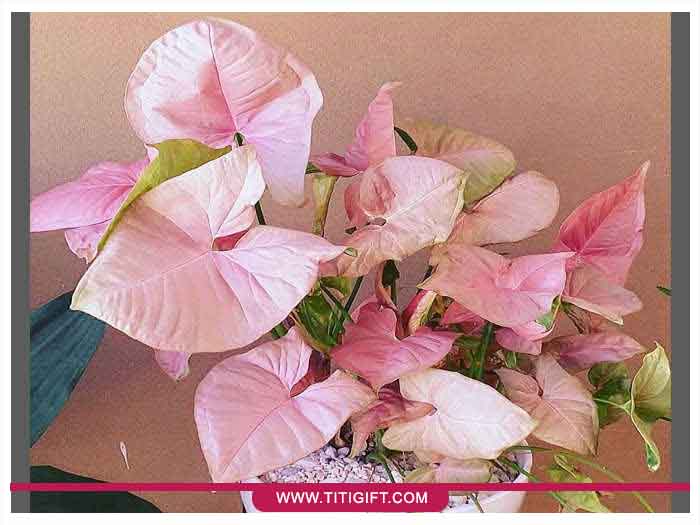
Syngonium Varieties
1-Syngonium podophyllum: Syngonium podophyllum is one of the best-known and most widely cultivated Syngonium species. It is native to tropical regions of Central America and is commonly grown as an ornamental houseplant. It is sometimes known as the Arrowhead Plant because of the characteristic shape of its leaves. Several cultivated varieties and forms of Syngonium podophyllum are popular among indoor plant enthusiasts.
Syngonium podophyllum “White Butterfly”: This attractive variety is known for its light-colored leaves, which are often decorated with green patterns and veins. Its distinctive foliage makes it a popular choice for indoor plant collections.
Syngonium podophyllum “Pixie”: Pixie is a compact Syngonium variety with green leaves decorated with attractive white markings. The lighter pattern usually extends from the center toward the edges of the leaves. Because of its compact growth habit, Pixie is a popular choice for smaller indoor spaces and houseplant collections.
Syngonium podophyllum “Emerald”: This variety has relatively large leaves with attractive green coloration and lighter veins or markings. Young plants often have strongly pointed leaves, which makes them relatively easy to recognize.
Syngonium podophyllum “Variegatum”: Variegated Syngonium plants can develop cream-colored or light-green patterns across their leaves. These natural variations in color and pattern are part of the plant's variegation and can differ from one leaf to another.
Syngonium podophyllum “Emerald Green”: As its name suggests, this variety has rich green foliage. Its appearance is relatively close to the natural green form of Syngonium and makes an attractive addition to indoor plant collections.
Syngonium podophyllum “Golden Green”: This variety is known for its striking combination of yellow and green coloration. Its contrasting foliage gives it a distinctive appearance, while its trailing or climbing growth makes it suitable for hanging displays or trained growth on a support.
Syngonium podophyllum “Albovirens”: This variety can develop cream or silvery markings along the leaves. Some leaves may have extensive cream-colored areas bordered by green margins, creating an attractive variegated appearance.
Syngonium podophyllum “Trileaf Wonder”: This variety has green leaves with attractive silver-colored markings or veins.
Syngonium podophyllum “Atrovirens”: Its foliage is somewhat darker than some other Syngonium varieties and can feature contrasting silver-colored veins or markings.
2-Syngonium auritum
Syngonium auritum is another species within the Syngonium genus. It is sometimes associated with the common name “five-finger plant” because of the distinctive shape of its mature leaves. The plant develops a central stem and can produce several side stems as it grows. Some cultivated forms may display attractive variations in white, cream and green, making them suitable for decorative indoor plant arrangements.
3-Arrowhead Syngonium
Arrowhead Syngonium is a common type of Syngonium grown as an indoor ornamental plant. Its green leaves have a distinctive arrowhead shape, which is the origin of its popular common name. Some forms have cream or light-colored markings across the foliage. It can remain relatively compact with regular pruning, making it suitable for indoor spaces. Syngonium erythrophyllum is another attractive species in the genus. It has a slower growth habit and is an evergreen plant under suitable conditions. Its young leaves have an arrow-like shape, while the foliage and stems can become more distinctive as the plant matures.
4-Syngonium vellozianum (Vellozianum)
Syngonium vellozianum is another species of Syngonium associated with Brazil. During its early growth, the plant can resemble Syngonium podophyllum, but as it matures, its stems can become longer and more slender. Syngonium angustatum, sometimes associated with the name Albolineatum, can develop three-lobed leaves. Young leaves may measure approximately 5 × 7 centimeters, while mature leaves can become considerably larger, reaching around 20 × 20 centimeters under suitable conditions. The foliage is generally green, and healthy leaves may display lighter markings along the central areas of the leaf and stems. Syngonium “Wendlandii” is native to Costa Rica. Its mature foliage is predominantly green and can feature attractive white or silvery veins. These distinctive colors and patterns are particularly noticeable in young plants during the early stages of growth.
5-Syngonium “Hoffmannii”
Syngonium “Hoffmannii” is an evergreen Syngonium associated with Costa Rica. It is a robust and attractive plant that can develop strong stems as it matures. The stems can reach approximately 15 centimeters and may grow longer if the plant is not pruned. Its foliage has a green-to-gray coloration and is decorated with attractive white and silver markings or veins. In some leaves, the central area may have a coloration similar to the surrounding markings. Slight variations in leaf color and pattern are natural in variegated Syngonium plants, particularly when the changes remain within the plant's normal range of green, gray, white and silver tones.