









Getting to Know the Tulip
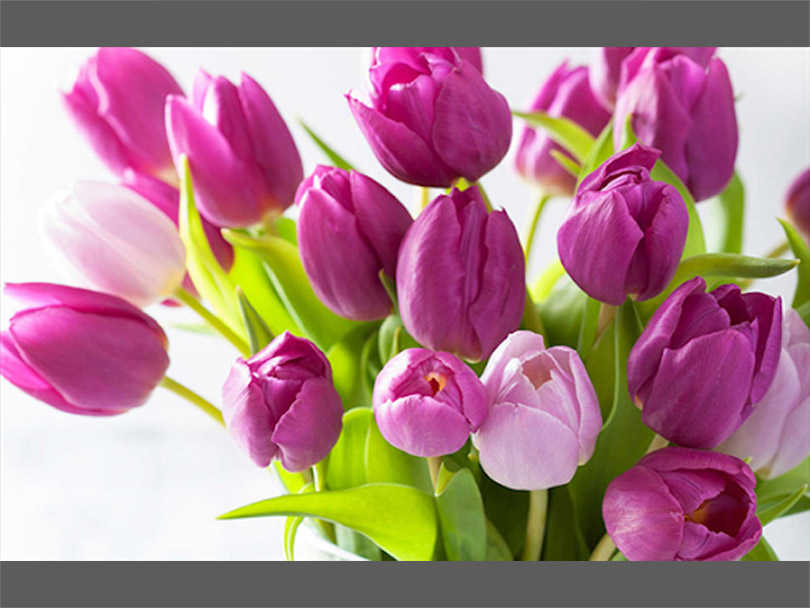
Scientific name: Tulipa spp
Family: Liliaceae
The tulip is a genus of flowering plants in the lily family, comprising approximately 100 to 150 different species. Botanically, tulips are divided into two types: wild and cultivated. Central Asia is considered the primary region of origin for wild tulips. Wild tulips can be found in Iran, Afghanistan, Turkey, Greece, Italy, Spain, and other countries. Among Islamic countries, tulips have a particularly deep cultural significance in Iran and Turkey.
The tulip is a perennial, bulbous plant known for its remarkable diversity of colors and shapes. However, it is often treated as an annual in floriculture because the original bulb (mother bulb) generally lasts for only one growing season, although it is replaced by a new bulb each year. Tulips can grow as perennials in colder regions, while in warmer climates, specially cold-treated bulbs are planted. After flowering, these plants typically die back.
One of the most famous types of tulip in Iran is the Persian fritillary, commonly known as the inverted tulip, which is renowned for its extraordinary beauty.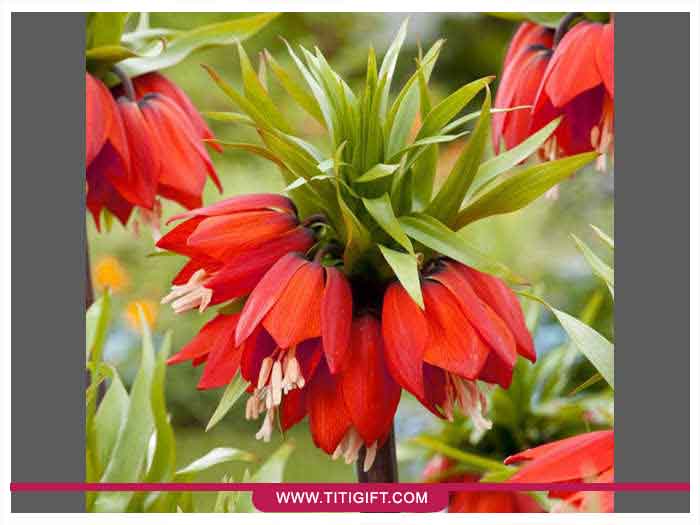
What Do Tulips Symbolize?
The meaning of tulips varies depending on their color. Red tulips symbolize love, pink tulips represent understanding and mutual affection, and purple tulips symbolize power, abundance, and happiness. Yellow tulips represent joy and unrequited love, while white tulips symbolize forgiveness. In general, tulips have long been associated with happiness. In Persian poetry, they have also traditionally symbolized the heart of a lover. According to the story of Shirin and Farhad, after Farhad's death, a red tulip grew from each drop of his blood. For this reason, red tulips are regarded as a symbol of a lover's endless devotion to their beloved.
Cosmetic Uses of Tulips:
Tulip extracts are used in many beauty products. Tulips are also used in the perfume industry and in the production of creams and lotions designed for dry skin.
Medicinal Uses of Tulips:
Tulips have traditionally been used to help relieve coughs and colds, sinus pain, fever, and headaches. They have also been associated with reducing the risk of cancer. Due to their purported soothing properties, tulips have been used in poultices for insect bites, bee stings, burns, and skin rashes.
How to Care for Tulips:
Tulips do not always persist as perennial plants, and their blooms have a limited lifespan. The flowers typically last for up to one month. Once the flowers have faded, you can remove the bulbs from the soil and cut off the stems. Store the bulbs in a dry, dark place so you can plant them again the following year and enjoy another bloom. If your tulip bulbs are Iranian varieties, they may flower every year. However, Dutch varieties may produce flowers for only up to two years.
Watering:
Moderate watering is sufficient for indoor tulips. If you intend to reuse the bulbs the following year, feed the plants with a general-purpose fertilizer during their spring growth period.
Soil:
Tulips grow best in soil that is as light and well-draining as possible. Therefore, adding sand and grit to the soil is recommended. An ideal potting mix for tulips consists of coco peat, peat moss, and perlite, or a mixture of fertilizer, leaf mold, sand, and garden soil.
Temperature:
Tulips are cold-hardy plants. The ideal temperature for root development is around 9°C, while the optimal temperature for growth is between 15°C and 18°C. Tulip bulbs should also be stored in a cool, dry environment.