









Crassula Plant: Care, Types, and Growing Guide
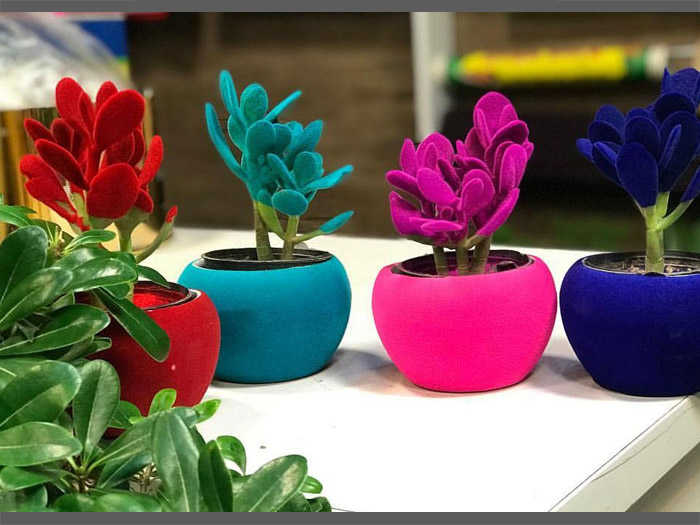
By purchasing a Crassula houseplant, you can grow different varieties of this beautiful succulent indoors or outdoors. Crassula includes many species, but in general, they all require similar care and maintenance. These hardy plants are highly drought-tolerant and can withstand periods of low watering. Planting several Crassula varieties together creates an attractive arrangement and a unique decorative display. Fortunately, Crassula is a low-maintenance plant that almost anyone can grow successfully. When cared for properly, it rarely suffers from diseases. Most varieties have jade-green leaves, which is why they are commonly known as the Jade Plant. However, with increased sunlight exposure, some species develop attractive reddish edges on their leaves, while others display green-yellow foliage. Despite these variations, the classic jade-green color remains the most popular variety available in our online flower shop.
Care Requirements:
Light: Crassula thrives in bright light and benefits from about 4 hours of direct sunlight daily. A south-facing window is ideal, although it can also tolerate a north-facing window.
Watering: Many people mistakenly believe that Crassula belongs to the cactus family. While all cacti are succulents, not all succulents are cacti. Cacti usually have spines and slower growth, whereas Crassula grows faster and stores water in its fleshy leaves. Water approximately twice a week, or whenever the soil has completely dried out.
Temperature: Since many people confuse Crassula with desert cacti, they assume it prefers intense heat. In reality, Crassula and its relatives perform best in cooler conditions. Their reddish leaf coloration comes from anthocyanin pigments, and excessive heat may cause stems to soften and leaves to lose their red tint. Ideal temperatures are around 12°C (54°F) at night and 25°C (77°F) during the day.
Fertilizer: Feed once a month during the active growing seasons of spring, summer, and autumn using a balanced fertilizer. African violet fertilizer also works well for Crassula.
Soil: Crassula requires a light, well-draining soil mix. A combination of garden soil, leaf mold, and coarse sand is ideal. Good drainage is essential because standing water around the roots can lead to root rot.
Propagation: Crassula can be propagated from leaf cuttings, stem cuttings, leaf buds, or seeds. Varieties such as Crassula perfoliata var. falcata, tree Crassula, and silver Crassula are most commonly propagated through stem cuttings. Once rooted in clean sand, new plants should only be watered when they begin to wilt slightly. The remaining mother plant should be maintained carefully so that new side shoots develop for future propagation.
Flowering: During bloom, Crassula produces beautiful clusters of small white flowers. It is considered a short-day plant and flowers naturally under cool temperatures. Indoor plants exposed to artificial lighting and constant warmth rarely bloom. Flowering can be encouraged by extending the dark period—from approximately 7:00 PM to 9:00 AM—and lowering temperatures to around 10°C (50°F).
Repotting: Repotting often delays growth and flowering, especially when moving the plant into an oversized pot. Crassula focuses on root development before producing new foliage. Repot only when roots emerge from the drainage holes, usually every 2–3 years in early spring, using a pot only one size larger.
Popular Types of Crassula
1. Silver Jade Plant (Crassula ovata)
Crassula ovata, commonly known as the Jade Plant or Silver Crassula, has oval-shaped green leaves with reddish edges. Native to South Africa and belonging to the Crassulaceae family, it is one of the best plants for creating bonsai. Those interested in growing a bonsai can easily achieve this by ordering a Crassula potted plant.
Its flowers appear in clusters and are white. The plant grows well on balconies and terraces where it receives partial sun and partial shade.
Care Guide for Crassula ovata
Light: Bright light with several hours of direct sunlight.
Watering: Three times weekly during hot weather and once or twice weekly in cooler seasons. Allow the soil to dry between waterings.
Soil: A light, well-draining mix of sand, leaf mold, and coco peat is ideal.
Fertilizer: Apply cactus fertilizer every two weeks during spring and summer.
Pruning: Trim branches in spring to maintain shape.
Propagation: Easily propagated from leaf cuttings, stem cuttings, or seeds.
2. Tree Crassula (Crassula arborescens)
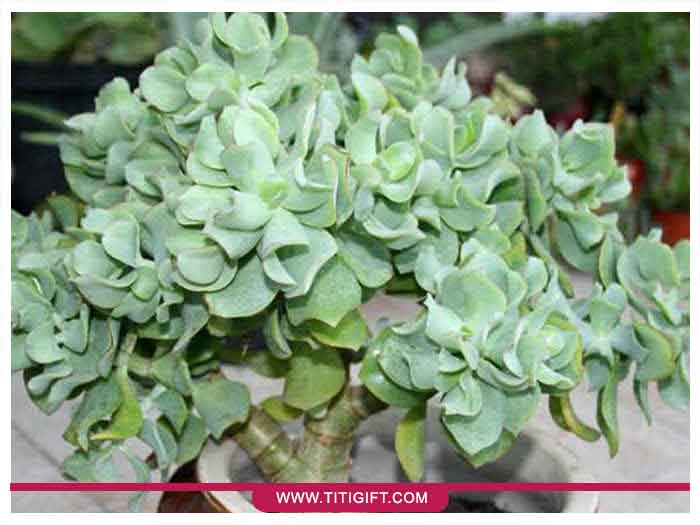
This species is one of the most recognized Crassulas in Iran and is commonly cultivated in commercial greenhouses for indoor plant orders. It has an upright growth habit and can eventually exceed one meter in height. Its leaves are round with smooth edges, while its pink flowers appear only occasionally. Tree Crassula is easily propagated through stem cuttings.
Tree Crassula Care
Soil: Garden soil mixed with leaf mold in a well-draining medium.
Watering: Keep the soil lightly moist but never waterlogged.
Propagation: Propagate using leaf cuttings, stem cuttings, or seeds.
Growing Tips: The thick fleshy leaves are the plant's main ornamental feature. Feed monthly with cactus fertilizer. During warm winters, leaf drop may occur. Because of its slow growth, regular pruning before autumn helps maintain an upright form.
3. Portulaca Crassula (Crassula portulaca)
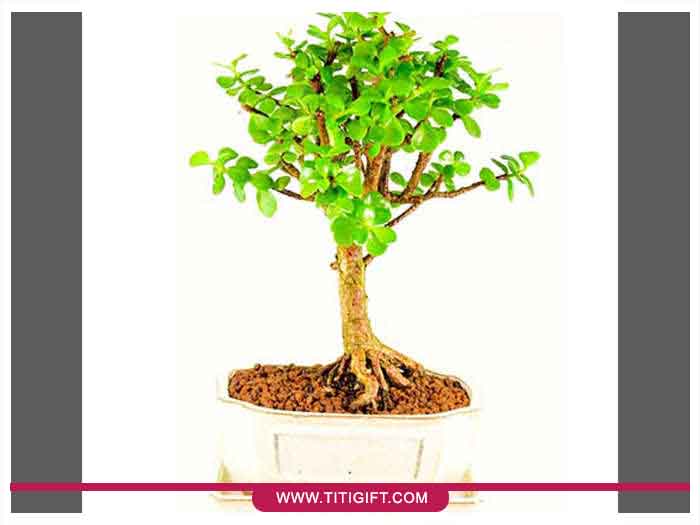
Although many people are familiar with edible purslane, Crassula portulaca is an ornamental succulent with many varieties that are often mistaken for cacti. In recent years, it has become increasingly popular through houseplant purchases and is sometimes trained as a bonsai. This attractive species features glossy, fleshy green leaves, while its flowers are relatively insignificant.
Portulaca Crassula Care
Watering: Treat it like a typical houseplant rather than a cactus. Water about twice a week.
Light: Place near a bright window with consistent lighting. Avoid frequently moving the plant, as sudden environmental changes may cause leaf drop.
Soil: A mixture of garden soil, sand, organic fertilizer, and leaf mold works best.
Temperature: Ideal indoor temperatures range between 12°C and 27°C (54°F–81°F).
4. Burgundy Crassula (Crassula Burgundy / Platyphylla)
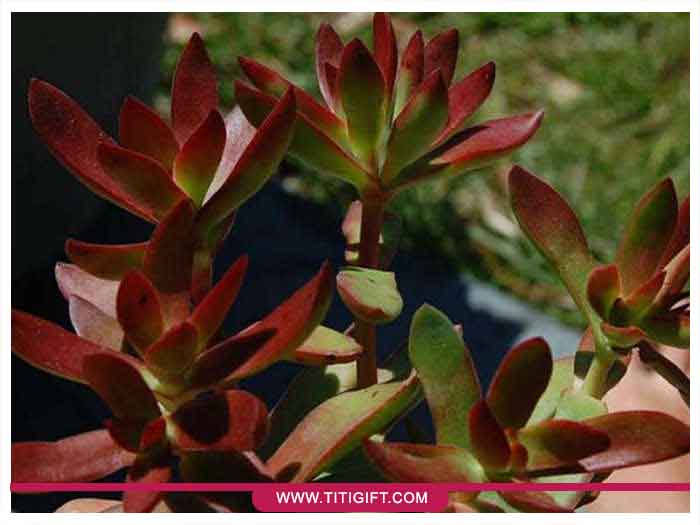
Burgundy Crassula is known for its fleshy, overlapping green leaves that develop deep red margins when exposed to bright sunlight and cooler temperatures. It is an excellent choice for covering balcony planters or terrace boxes with lush succulent growth. Unlike many Crassula species, this variety should not be treated as a low-light indoor plant because it requires several hours of direct sunlight each day.
Burgundy Crassula Care
Light: Grows best in partial shade with several hours of direct sun. Protect from harsh afternoon sunlight during extremely hot summer days.
Watering: Requires regular watering—daily during very hot weather and once or twice weekly during cooler seasons.
Soil: Use a lightweight cactus and succulent potting mix with excellent drainage.
Propagation: Easily propagated from offsets or individual leaves. Detached leaves often root naturally when placed on moist soil.