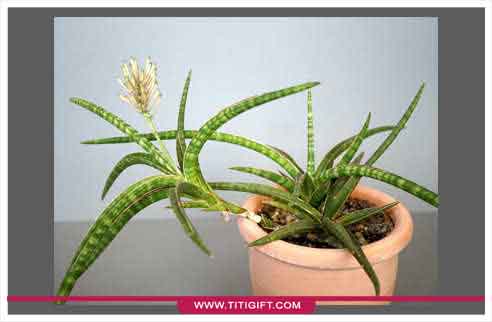









Introduction to the Sansevieria Plant
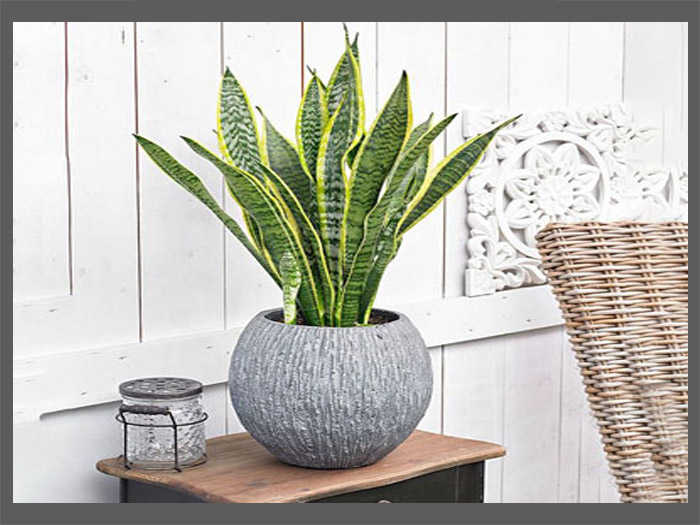
Scientific Name: Sansevieria trifasciata
Family: Asparagaceae
An evergreen, perennial plant that has no stem, with its leaves growing directly from the rhizome. Mature leaves are dark green, and in some varieties, cream and yellow stripes appear along the length of the leaves. The length and shape of the leaves vary among different varieties. This plant can effectively absorb and break down toxic substances and, in this way, helps purify the air. One of the reasons this plant is so popular in flower shops is precisely its air-purifying property.
Requirements:
Light: Although it can tolerate low light conditions, bright, indirect light provides the best conditions for this plant.
Temperature: Although it can tolerate temperatures as low as 10°C (50°F) in winter, the ideal temperature during this season is around 16°C (61°F). In summer, the ideal temperature is around 24°C (75°F), which is comfortable for humans.
Watering: Allow the soil to dry out between waterings. The plant can tolerate some dryness, but excessive dryness can cause the leaves to wrinkle.
Humidity: It has low humidity requirements and does not need misting.
Fertilizing: Every two weeks, compensate for nutrient deficiencies in the potting soil by adding liquid or water-soluble solid fertilizer specifically formulated for ornamental plants, according to the instructions.
Suitable Soil: Compost soil is the best soil for this plant.
Repotting: It prefers smaller pots to larger ones. Replace the pot only when necessary, such as when the roots have become severely crowded, and repot approximately every three years. Compact the soil around the roots and throughout the pot by gently pressing it with your hands.
Cleaning the Leaves: Clean dusty leaves with a cloth or a damp sponge.
Propagation: Propagation can be done by dividing underground stems and separating offsets in spring, especially for variegated varieties. Leaf cuttings can also be taken by cutting the leaves into pieces approximately 8 cm long and rooting them in cactus soil.
Problems and Solutions:
The leaves have become pale and have lost their patterns: The plant is not receiving enough light, or it may require additional nutrients. Move the pot to a brighter location with indirect light, or compensate for nutrient deficiencies in the potting soil by fertilizing once every three weeks.
Brown wounds have appeared on the leaves: This is caused by overwatering. Allow the surface of the potting soil to dry between waterings before watering again, and check the drainage system.
The leaves have turned brown and are drying out: The plant is thirsty and the air is too warm. Water the plant and move it to a cooler location.
The leaves are misshapen and their edges have been chewed: Spray the plant with an insecticide once every two weeks.
New leaves are soft, watery, and falling: The plant has been overfertilized. Stop fertilizing until the leaves become firm. Using half the recommended amount of fertilizer is sufficient, and fertilizing is not necessary during autumn and winter.
White, cotton-like wounds have appeared on the leaves: This is caused by an insect infestation. Moisten the affected areas with a cotton swab dipped in an appropriate pesticide solution, or spray the plant with a systemic insecticide once every two weeks until the symptoms disappear.
The leaf edges have brown, dry spots: The plant's leaves have come into contact with hot glass. Move the plant away from the glass.
Rust-like brown spots can be seen on the leaves: Do not use chemical leaf-shine products. Clean the leaves with a cloth or sponge.
The leaves have turned black and are watery: This is caused by frost damage. Do not place the plant close to a window during cold nights, and move the pot to a warmer location.
The leaves are rotting from the base: The soil has become waterlogged. Empty any excess water from the saucer and allow the surface of the potting soil to dry between waterings. Use less water during the next watering and check the drainage system.
How to Prepare Leaf Cuttings:
A) Cut healthy leaves into 2.5 cm pieces.
B) Insert the pieces halfway into a prepared sandy propagation bed.
C) Water the propagation bed and cover it with plastic to maintain humidity. After 2–3 leaves appear from each cutting, plant them in small pots.
Once the plant reaches maturity, a flowering stem emerges from the side of the leaves, bearing beautiful small yellow flowers at its tip.
Types of Sansevieria
Sansevieria plants are available in a wide variety at flower shops. They usually have broad leaves, although the color and shape of the leaves vary among different species and varieties. If you are looking to buy indoor plants or order Sansevieria indoor plants, here are some of the most popular types:
1- Snake Plant (Sansevieria trifasciata)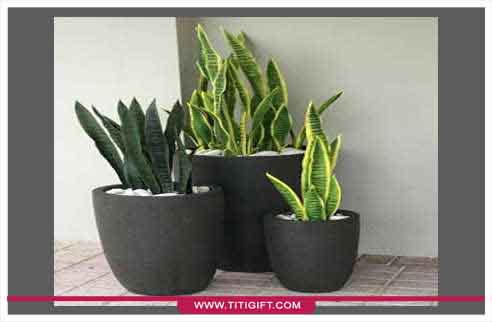 2- Dwarf Snake Plant
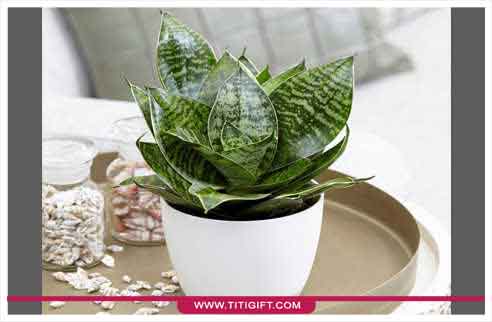 3- Cylindrical Snake Plant / African Spear
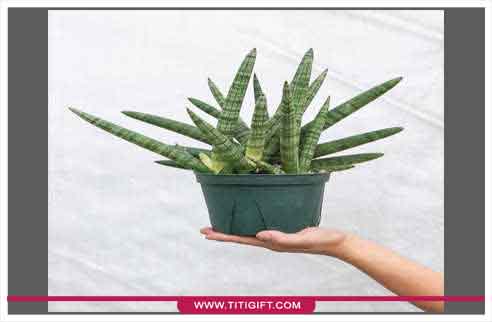 4- Moonlight Sansevieria
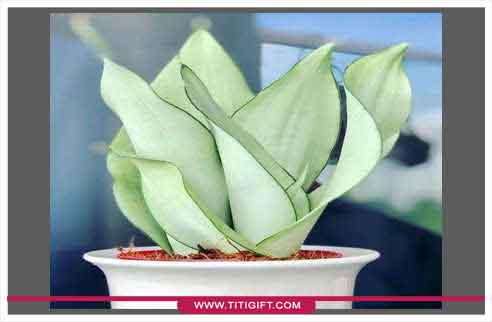 5- Sansevieria gracilis Indoor Plant
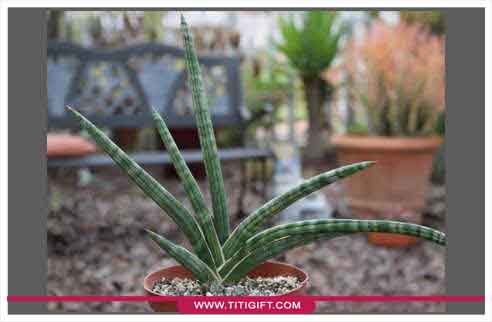 6- Dwarf Sansevieria Plant