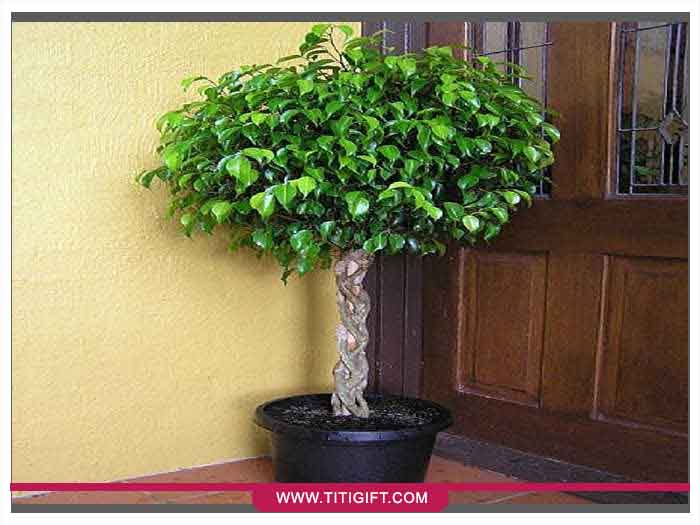









Getting to Know the Ficus Benjamina Plant
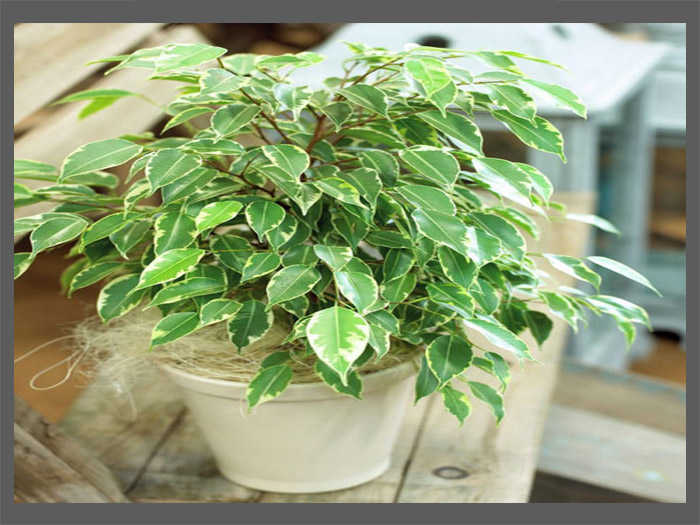
Scientific Name: Ficus benjamina
Family: Moraceae
Ficus benjamina is an excellent choice when buying an indoor plant, as it adapts very well to indoor environments. In outdoor conditions, it can grow up to 5 meters in height. It is sensitive to underwatering, especially during cold weather, which often results in leaf drop. It requires bright but indirect light for healthy growth. Variegated cultivars with green and cream-colored leaves have recently become popular in Iran's floriculture industry. When ordering a Ficus benjamina plant, you may come across attractive ornamental forms with braided trunks that greatly enhance the plant's beauty. Young plants usually require support stakes. Variegated varieties are more flexible, have a more pendulous growth habit, and develop weaker root systems than the green-leaf varieties. For this reason, variegated cultivars are commonly grafted onto green-leaf rootstocks.
Care Requirements:
Light: Ficus benjamina requires plenty of bright light, but direct sunlight, especially through glass during the summer, can damage its leaves.
Temperature: The minimum recommended temperature during winter is 15°C, while the ideal maximum temperature in summer is 24°C. With daily watering and proper care, it can tolerate temperatures up to 30°C.
Humidity: Misting the plant twice a day, once in the morning and once in the evening, can effectively reduce leaf drop. If brown spots appear on the leaves, stop misting and instead increase humidity by placing the pot on a pebble tray filled with water.
Fertilizing: During spring and summer, feed the plant every two weeks with a water-soluble fertilizer formulated for ornamental houseplants. Always follow the instructions provided on the fertilizer package.
Suitable Soil: High-quality compost is the ideal growing medium for Ficus benjamina.
Repotting: Young plants should be repotted annually. Once the plant reaches its maximum pot size, it is recommended to replace the top layer of soil with fresh compost instead of moving it to a larger pot.
Cleaning the Leaves: Misting is generally sufficient to keep the leaves clean. Avoid using commercial leaf-shining products. If necessary, they should be used no more than once a month.
Propagation: The best time to propagate Ficus benjamina is in late spring, when the newly produced stems have become slightly woody. Take a pencil-thick cutting from a semi-hardwood stem containing one pair of leaves. Make a diagonal cut and place the cutting in perlite or coarse sand. Water from the bottom to encourage healthy root development.