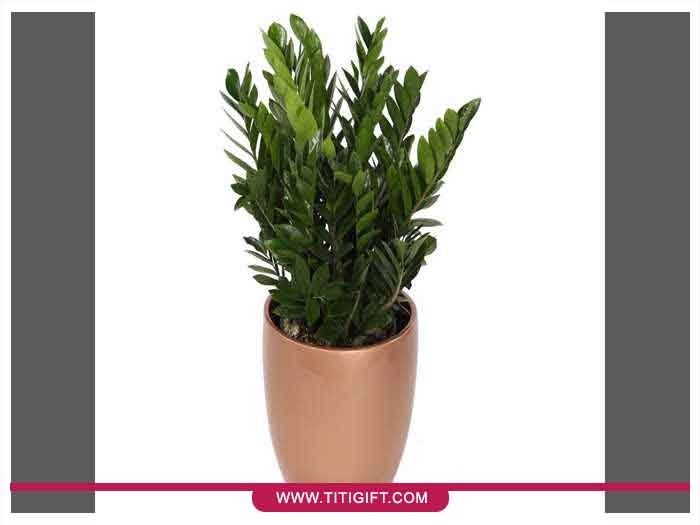









Getting to Know the ZZ Plant
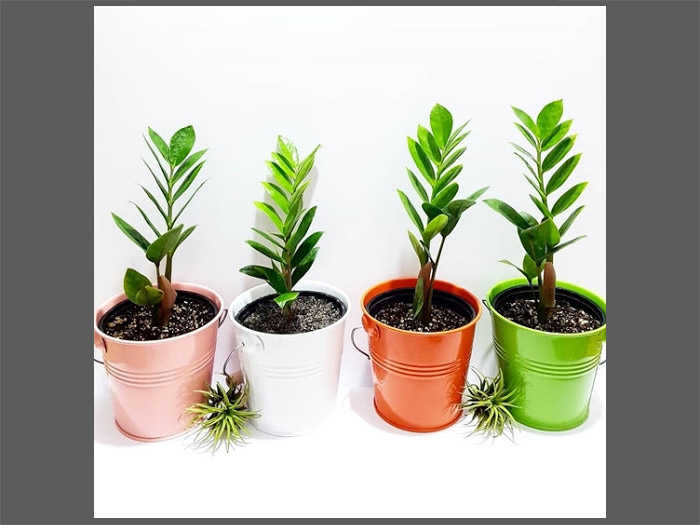
The ZZ Plant, scientifically known as Zamioculcas zamiifolia and commonly called the Zanzibar Gem, is native to Eastern Africa and belongs to the Araceae family. Interestingly, this plant uses a unique photosynthesis system known as CAM (Crassulacean Acid Metabolism), similar to cacti, allowing it to tolerate drought exceptionally well. A ZZ Plant is an excellent choice for indoor spaces with limited natural light. By placing an order for a ZZ Plant, you'll enjoy one of the most resilient houseplants, thanks to its excellent tolerance to low light and infrequent watering.
The ZZ Plant features elegant feather-shaped leaves growing on stems that typically reach 40 to 60 cm in height. Its glossy, dark green foliage makes it one of the most attractive indoor plants. Under ideal growing conditions, it may also produce small flowers in light yellow shades with bronze or brownish tones.
Care Requirements:
Temperature:
The ideal indoor temperature ranges between 15°C and 30°C (59°F–86°F). If the environment becomes hotter, mist the leaves occasionally to help maintain their freshness.
Watering:
Overwatering is the only major enemy of the ZZ Plant. Its underground rhizomes store water, so excessive watering can lead to root and rhizome rot. Always allow the soil to dry out completely before watering thoroughly again. If you notice that the soil remains wet for an extended period, immediately improve air circulation and increase the amount of light. Never water again until the soil has completely dried.
Light:
A ZZ Plant grows well in both bright and low-light environments. However, avoid direct sunlight, as it can scorch the leaves. Brighter indirect light encourages thicker stems, while insufficient light may result in thinner growth.
Humidity:
Its naturally waxy leaves make the ZZ Plant highly resistant to moisture loss and low humidity. Although maintaining approximately 50% humidity can promote healthier growth, it is optional rather than essential.
Soil:
Use a lightweight, fast-draining potting mix. A cactus or succulent soil mix is an excellent choice for this plant.
Fertilizing:
Use fertilizers with high phosphorus and potassium content. Phosphorus promotes healthy rhizome development, which in turn encourages the plant to produce more leaves.
Propagation:
The ZZ Plant can be propagated by leaf cuttings or by dividing its rhizomes. Root formation usually takes about one month, followed by another month before new shoots begin to emerge. This slow propagation process is one of the reasons why ZZ Plants are often relatively expensive.
Pests and Diseases:
This plant is generally pest-resistant. The most common problem is root rot caused by excessive watering.
Pruning:
Remove any yellow or damaged leaves. If a stem begins to rot, cut it off completely at the base using a clean, sharp knife.
Repotting:
ZZ Plants actually grow better when they are slightly root-bound. Repot only when roots begin emerging from the drainage holes. Move the plant to a pot just one size larger during spring. Oversized pots encourage root growth instead of leaf production, temporarily slowing the plant's visible growth.
Toxicity:
All parts of the ZZ Plant are toxic if ingested. Keep it out of reach of children and pets. It is also recommended to wear gloves when handling or repotting the plant, or wash your hands thoroughly with soap and water afterward.