









Pothos Plant Guide
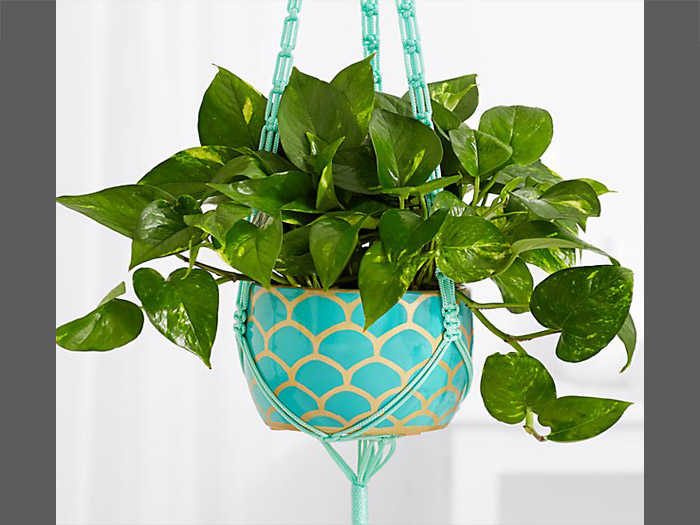
The Pothos plant (Epipremnum aureum), also known simply as Pothos, is one of the best choices available in a flower shop when you want to buy an indoor plant. It is especially suitable for beginners because it is extremely easy to care for, adapts well to different environments, and remains healthy under a wide range of conditions. In addition to its durability and attractive appearance, Pothos has long been considered one of the most popular plants in Feng Shui. It plays an important role in producing oxygen while helping remove toxins and negative energy from indoor spaces.
Pothos belongs to the Araceae family and is native to the Solomon Islands. It is cultivated and propagated in warm greenhouses and is considered one of the toughest indoor plants available. By ordering a Pothos plant, you can easily transform your room into a lush green jungle thanks to its trailing vines. Its leaves may be variegated, dark green, or white, and the plant grows rapidly. This beautiful evergreen plant is also one of the few houseplants that can survive and continue growing in water without soil.
Warning: Pothos is considered toxic to children and pets. If its leaves are chewed, they may cause illness. Therefore, keep the plant out of the reach of children and household pets.
There are several varieties available when you order a Pothos plant. These varieties differ mainly in leaf shape and coloration. Pothos is often confused with Philodendron because of their similar leaves. However, Philodendron leaves are more pointed and distinctly heart-shaped, unlike the longer leaves of Pothos.
1. Jade Pothos
Jade Pothos features beautiful dark green heart-shaped leaves. It is one of the simplest and most popular varieties available. Compared with many other cultivars, it adapts better to different growing conditions, making it one of the best-selling houseplants in flower shops. One of its greatest advantages is its ability to thrive in low-light environments.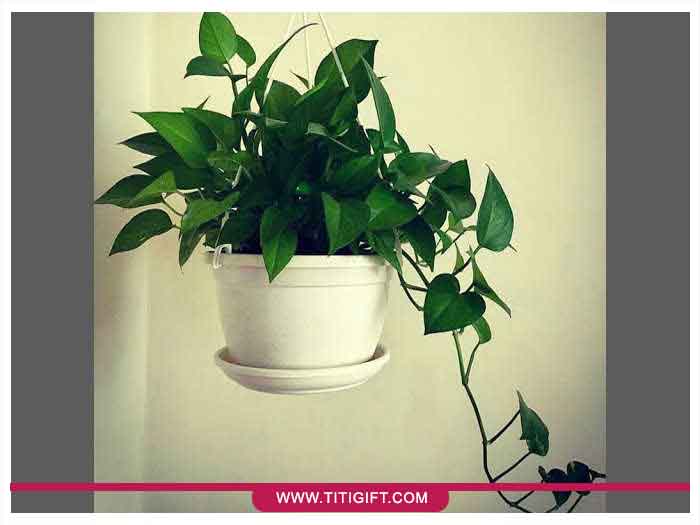
2. Neon Pothos
Neon Pothos stands out with its vibrant neon-green foliage. Despite its simple appearance, its bright leaves create a unique and eye-catching display. Like Jade Pothos, Neon Pothos grows well in low-light environments such as offices, apartments, and indoor workspaces.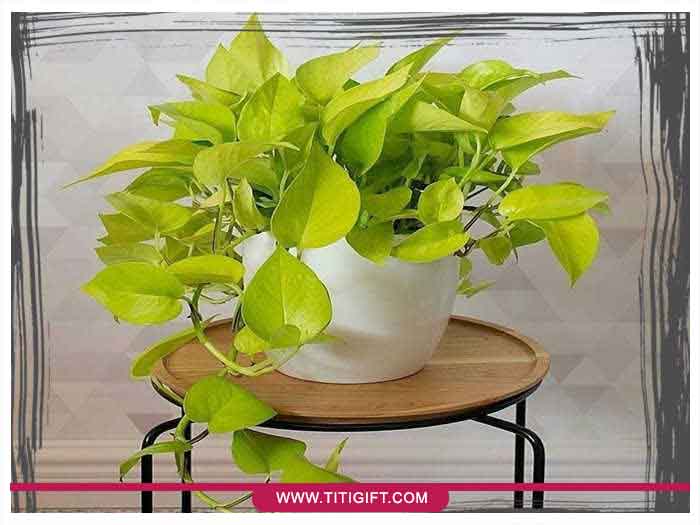
3. White Pothos (N'Joy / Army Pothos)
This variety has smaller leaves than most other Pothos cultivars and generally requires slightly more attention, making it somewhat less adaptable than the common green varieties.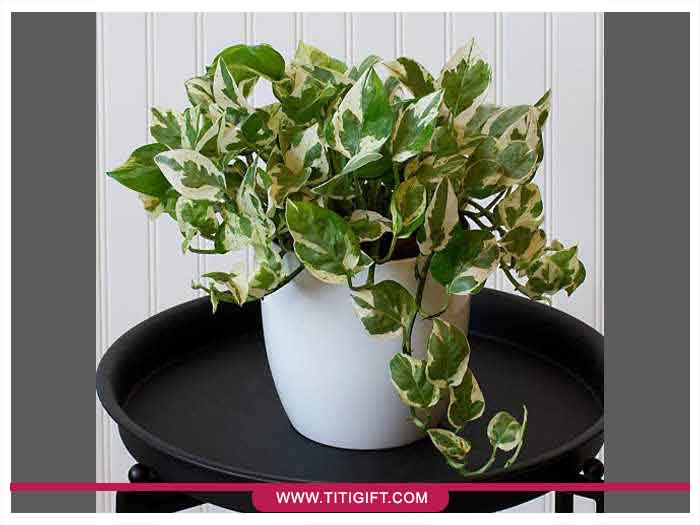
4. Marble Queen Pothos
Marble Queen Pothos has leaves similar in shape to Jade Pothos but displays an elegant combination of green and creamy white variegation. Like natural marble, it is considered a highly decorative and valuable variety. To maintain its beautiful variegated foliage, it requires brighter indirect light than the standard green varieties.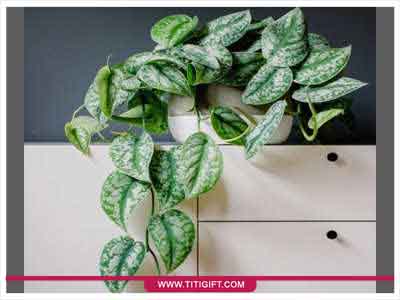
5. Golden Pothos
Golden Pothos features green leaves beautifully streaked with yellow and golden variegation. It is one of the easiest and most adaptable Pothos varieties to grow.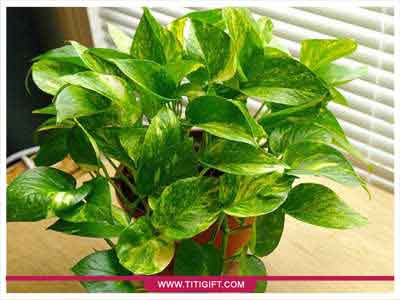
6. Silver Pothos
Silver Pothos is recognized for its unique green and silvery-gray foliage. It tolerates low light and infrequent watering exceptionally well, making it one of the hardiest and rarer Pothos varieties available.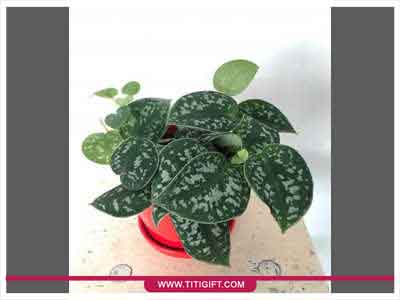
Common Pothos Diseases and Their Treatments
Wrinkled leaves and brown spots: This usually indicates that the temperature is too low and the plant may have been exposed to cold damage. Avoid placing your Pothos near cold windows or behind curtains during winter nights. Move it to a warmer location.
Holes in the leaves: Possible causes include:
• Leaf-eating insects, usually found beneath leaves and stems during early morning or evening.
• Direct sunlight combined with wet foliage.
• Physical damage to the leaves.
• Fungal diseases causing circular spots around the leaf margins.
To treat these issues, first identify the underlying cause and then apply the appropriate solution. Why Are Pothos Leaves Wilting?
One of the main reasons Pothos leaves become limp and lifeless is overwatering. To solve this problem, allow the top layer of the soil to dry completely to about one finger's depth before watering again.
Why Isn't My Pothos Growing?
If your Pothos is growing very slowly or has stopped growing altogether, the most common reason is a lack of nutrients in the soil. To prevent and solve this issue, feed the plant regularly with a balanced fertilizer formulated for houseplants or a fertilizer specifically recommended for Pothos. You can also use homemade organic fertilizers to improve soil fertility.
A pot that has become too small can also restrict growth because the roots no longer have enough room to expand. In this case, repot the plant into a container that is only one size larger than the current pot. Keep in mind that choosing a pot that is excessively large may also slow growth and even damage the plant due to excessive moisture retention.
Why Are the New Leaves Small?
Small new leaves can result from several factors, but one of the most common causes is low humidity. Increase humidity by misting the plant regularly or using other methods such as a humidifier or a pebble tray to provide the moisture your Pothos needs.
How Can You Make Your Pothos Fuller?
If you want a lush, bushy Pothos, provide the proper growing conditions, including a suitable pot, bright indirect light, appropriate watering, and regular fertilization. Pruning the growing tips can also encourage fuller growth.
Why Is My Pothos Becoming Sparse?
If your Pothos has long vines with very few leaves, there are generally two main reasons:
1. Insufficient light. Move the plant to a brighter location with indirect sunlight.
2. Nutrient deficiency. Feed the plant regularly with a balanced houseplant fertilizer or suitable organic fertilizer.
Why Isn't My Pothos Trailing?
Be patient. Once your Pothos becomes accustomed to its environment and receives enough light, water, nutrients, and proper care, it will grow rapidly and naturally develop long trailing vines.
Why Are My Pothos Leaves Turning Yellow?
1. Waterlogged Soil
If the lower leaves are turning yellow and falling off, the soil may be staying too wet. Check that the pot has proper drainage, empty excess water from the saucer, and increase the interval between waterings. Constantly wet soil can lead to root rot.
2. Watering with Cold Water
Using cold water for watering or misting can shock the plant and cause yellowing leaves. Always use room-temperature, chlorine-free water whenever possible.
3. Underwatering
Excessive dryness may also cause yellow leaves, drooping stems, and overall decline. Increase watering appropriately and move the plant to a cooler location if necessary.
4. Fungal Infection
Yellow leaves may indicate a fungal disease. Remove affected leaves and disinfect the stems using a mild soap-and-water solution. If the infection spreads, use an appropriate fungicide according to the manufacturer's instructions.
5. Nutrient Deficiency
If your Pothos has not been repotted or fertilized for a long time, depleted soil nutrients may cause yellow leaves. Applying a suitable houseplant fertilizer will usually correct the problem.
6. Cold Drafts
Cold air currents can also cause yellowing foliage. Move the plant away from cold windows or air conditioners. The ideal temperature for Pothos is between 15°C and 25°C (59°F–77°F).
7. Insufficient Light
Variegated varieties require more light than solid green varieties. If the leaves farther from the light source become yellow while those closer to the light remain vibrant, your plant needs brighter indirect light.
8. Environmental Changes
If you have recently moved your Pothos or repotted it, the plant may experience transplant shock. Some yellow leaves are normal during this adjustment period. However, excessive yellowing after repotting may indicate poor drainage, so make sure the pot has adequate drainage holes. Why Are My Pothos Leaves Losing Their Color?
Insufficient light is one of the most common reasons for pale or faded Pothos leaves. Move the plant to a brighter location with plenty of indirect sunlight for a period of time to restore its healthy color.
Brown Spots and Burnt Leaf Tips
Brown spots and scorched leaf tips are usually caused by direct sunlight. Prolonged exposure to intense sun can damage the foliage of heart-leaf Pothos. Leaves that come into contact with hot window glass may also develop similar burns.
Why Is My Variegated Pothos Losing Its Pattern?
Although Pothos can tolerate relatively low-light conditions, insufficient light causes the beautiful variegation on the leaves to fade, turning them mostly green. To preserve the attractive patterns on Golden Pothos and Marble Queen Pothos, place the plant in a bright location with indirect light.
Why Are the Leaves So Far Apart?
Long gaps between leaves, often called "leggy" growth, are usually the result of inadequate light and insufficient nutrients. Move the plant to a brighter location with indirect sunlight and fertilize it every two weeks during the growing season.
Why Aren't New Leaves Growing During the Growing Season?
If your Pothos is not producing new leaves during its active growing season, the surrounding temperature may be too low. Move the plant to a warmer environment and ensure it receives proper light, watering, and nutrients to encourage healthy new growth.
Environmental Requirements
Temperature: Moderate to warm. Ideal temperatures range from 16–19°C (61–66°F) at the minimum to approximately 30°C (86°F) at the maximum.
Light: Moderate to bright indirect light.
Watering: Moderate. Allow the top layer of soil to dry slightly between waterings.
Pests & Diseases: Relatively resistant to most common houseplant pests and diseases when properly maintained.