









Introduction to Orchids
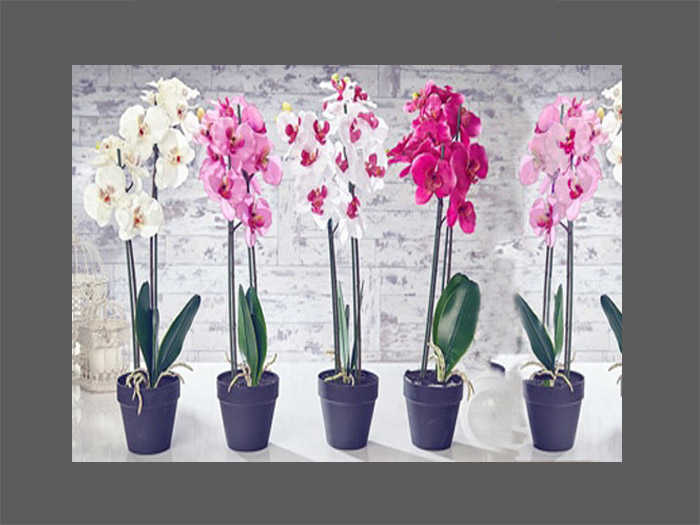
Scientific Name: Orchid sp.
Family: Orchidaceae
Orchids are a unique group of plants commonly found in every online flower shop. They vary greatly in their growth habits and appearance. However, all orchid species are related through the distinctive characteristics of their flowers, forming one of the largest plant families in the world. The Orchidaceae family includes more than 800 genera and approximately 17,500 recognized species of perennial herbaceous monocotyledons.
Types of Orchids:
Cattleya: Native to tropical regions, Cattleya orchids produce flowers in a wide range of colors, including white, purple, yellow, and attractive bicolor varieties. Some cultivars are photoperiod-sensitive and may bloom twice a year. Phalaenopsis: Hybrid white flowers of P. amabilis are available throughout the year in the American market. Other varieties bloom in pink and many additional colors during spring and autumn. These orchids are widely used by florists and are especially popular for flower bouquet arrangements.
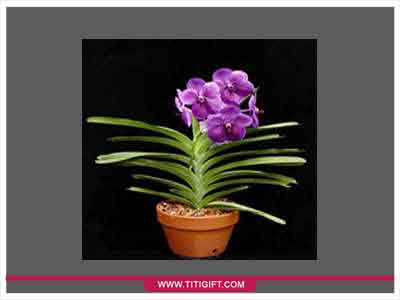
 Vanda: Known for its striking multicolored flowers, the Vanda orchid requires a warm and humid environment to thrive.
 Cymbidium: Unlike most orchids that prefer warmer temperatures, Cymbidium grows best in cooler conditions with night temperatures around 10°C and daytime temperatures between 21–24°C. It is commonly cultivated for sale during the spring season.
Dendrobium: Dendrobium orchids produce long-lasting flowers that are highly valued as cut flowers for flower delivery. Thailand, Singapore, and Hawaii are among the world's leading producers. A typical Thai flower spike usually contains seven open flowers and seven unopened buds.
Care Requirements:
Light: Light requirements vary depending on the orchid genus. During winter, when sunlight is less intense, orchids can tolerate direct sunlight. In Iran, because of the bright sky and strong sunlight, orchids are usually cultivated in greenhouses with white-painted glass to provide partial shade. Most orchids prefer filtered or indirect light, while clustered varieties such as Dendrobium grown outdoors require full sun. Cattleya and Cymbidium generally perform best in moderate light.
Temperature: The ideal maximum temperature is about 27°C during summer and approximately 10°C during winter.
Humidity: During spring and summer, mist the plant every two days using lukewarm, low-mineral water. To maintain consistent humidity, place the pot on a tray filled with pebbles and water, making sure the pot does not sit directly in the water. While the plant is flowering during autumn and winter, avoid misting if temperatures fall below 13°C, as excessive moisture may be harmful.
Fertilizing: If all growing conditions are suitable, apply a liquid fertilizer or slow-release fertilizer every two weeks. The fertilizer ratio depends on the growing medium. Orchids grown in Osmunda fern fiber generally require little or no additional fertilizer. Ammonium nitrate is considered one of the best nitrogen fertilizers, creating a slightly acidic solution and is commonly applied at a concentration of 1,000 mg/L.
Repotting: Repot the orchid every two years after the flowering period has finished.
Cleaning the Leaves: Wipe the leaves gently with a soft cloth or damp sponge. Avoid using chemical leaf-shining products.
Watering: Proper watering and water quality are among the most important factors in successful orchid cultivation. Water the orchid thoroughly, then allow the surface of the growing medium to begin drying before watering again. Regarding water quality, Cattleya orchids can tolerate irrigation water with a pH ranging from 4 to 9. Water hardness generally has little effect on orchid growth, while the concentration of dissolved salts (water salinity) is the most important factor to monitor.