









Introduction to Lucky Bamboo
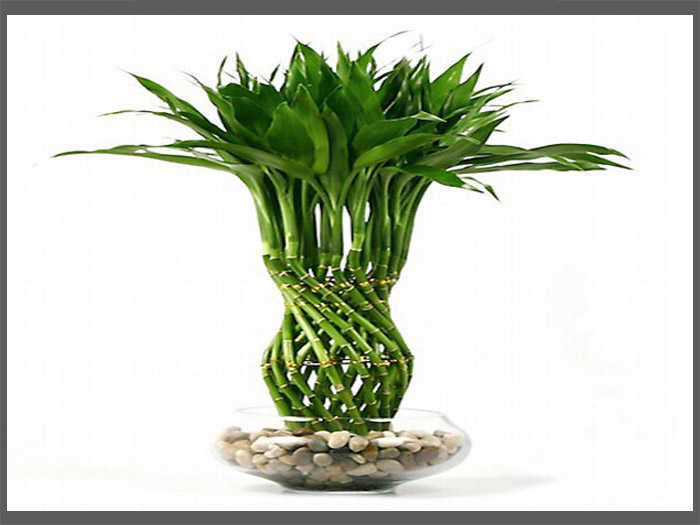
Scientific Name: Dracaena sanderiana
Family: Dracaenaceae
The Lucky Bamboo houseplant has become increasingly popular among Iranians in recent years. Thanks to its easy maintenance, ordering a Lucky Bamboo plant has become common for offices, workplaces, and homes.
Contrary to popular belief that it originates from East Asia, Lucky Bamboo is actually native to West Africa and the rainforests of Cameroon. Growing a Lucky Bamboo plant indoors is very simple. According to some legends, this plant brings good luck and positive energy. For a more attractive appearance at home, it is often recommended to choose an odd number of bamboo stalks. In the online flower shop industry, Lucky Bamboo is highly valued for interior decoration because it can easily be arranged with decorative pots, stones, ceramics, and other accessories. Lucky Bamboo also prefers to be the center of attention, so place it in a bright location in your home while avoiding direct sunlight.
Care Requirements:
Everything this plant needs is regular leaf cleaning to remove dust, weekly water replacement, and placement in a bright location away from direct sunlight. Once a month, trim any black roots and rinse the remaining roots thoroughly.
Light: Lucky Bamboo requires filtered sunlight similar to the light beneath tree canopies. Any bright window with indirect light is suitable.
Watering: This plant can be grown either in water or soil. However, growing it in water is generally easier and helps prevent soil salinity. Lucky Bamboo is sensitive to hard and salty water, so replace the water once a week. Before changing the water, let tap water sit for 24 hours to allow chlorine to evaporate, or use bottled or filtered water.
Soil: If you prefer growing it in soil, use equal parts sand, peat moss, and garden soil. In this case, there is no need to use liquid nutrient drops in the soil. (Note: If the plant has already developed roots in water, do not transfer it directly into soil. Doing so may slow its growth, cause yellowing, or even kill the plant. If you plan to grow it in soil, either plant it there from the beginning or first transfer it to moist sand for about one month before moving it into potting soil.)
Temperature: Since this plant is native to tropical regions, the ideal temperature ranges from 18°C to 23°C. Never place it directly in front of an air conditioner, fan, or heater.
Fertilizing: Feed the plant once a month using the recommended liquid nutrient solution according to the instructions.
Propagation: Lucky Bamboo is propagated by cutting healthy stems during summer and placing them in water until roots develop.
Humidity: Average indoor humidity is sufficient. The moisture evaporating from the water container is generally enough for healthy growth.
Common Problems and Solutions:
Yellow Leaves: Usually caused by direct sunlight, salty water, mineral buildup, or deficiencies in calcium and potassium. Use a bamboo nutrient solution regularly (approximately two drops per bamboo stalk).
Brown Leaves: Usually indicate low humidity or contaminated water. Increase humidity by misting the leaves and replacing the water regularly.
Rotting Stem: This is usually caused by fungal infection. Remove the infected area with a clean knife and soak the plant in a fungicide solution. If the infection has spread deeply, cut the healthy part above the damaged section and place it back into clean water.
Spider Webs on the Leaves: This indicates a spider mite infestation. Apply a suitable insecticide and increase humidity around the plant.
Burn Marks on the Leaves: Direct sunlight or misting the leaves under strong sunlight is usually the cause. Move the plant to a more suitable location.
Small or Unopened Leaves: Usually caused by insufficient light or lack of nutrients. Improve lighting conditions and apply the recommended fertilizer.
No New Leaves During the Growing Season: The surrounding temperature is likely too low. Move the plant to a warmer location. Types of Bamboo:
A. Arundinaria variegata: This variety has grass-like, variegated leaves and typically grows up to 45 cm tall. It prefers full sun to partial shade.
B. Phyllostachys: A fast-growing bamboo species that reaches heights of 10–25 meters. It has feather-like leaves, thrives in full sun, and should be cultivated to encourage the production of numerous shoots.
C. Arundinaria pygmaea (Pygmy Bamboo): A compact bamboo with bright green foliage. It prefers full sun and spreads rapidly through underground rhizomes. Its growth should be controlled when planted near other plants or landscaped areas.