








What Are the Environmental Requirements and Conditions for Plant Growth?
In this section, we have gathered useful information to help you become more familiar with plants, understand their needs, and gain a better understanding of the environmental conditions they require. Our goal is to help you maintain the health, beauty, freshness, and vitality of your plants and provide them with the conditions they need for healthy growth.
In general, water and air are among the most basic and essential requirements for the survival and growth of every plant. Without sufficient water, air, and suitable environmental conditions, plants cannot grow properly or maintain their natural beauty and health.
As you learn more about plant care, these requirements become more extensive and sometimes more complex. For example, the type and amount of watering, choosing the right soil, selecting and buying a suitable flower pot, providing the required light and temperature, and supplying the plant with essential nutrients and fertilizers are all important factors that should be considered if you want to grow and properly care for a plant. Plants are living organisms, just like us, and they have their own needs. Sometimes, depending on the circumstances, meeting these needs and dealing with plant-related problems may not seem easy. Nevertheless, taking care of a living organism that can bring the freshness, vitality, and beauty of nature into your surroundings—and even create a small but beautiful piece of nature in your home—is a rewarding, enjoyable, and pleasant experience despite the challenges it may involve.
Watering:
All living organisms need water to survive, and plants are no exception. In fact, water plays a particularly important role in the growth and survival of plants. However, the amount of water required varies considerably among different plant species. Some drought-tolerant plants, such as cacti, require much less frequent watering, while other plants may require watering on a daily basis. Therefore, it is important to understand that watering is a crucial part of plant care and should be carried out according to the specific needs of each plant. Proper watering should also prevent the plant from becoming either waterlogged or excessively dry. Water is absorbed from the soil through the roots and is then transported to other parts of the plant.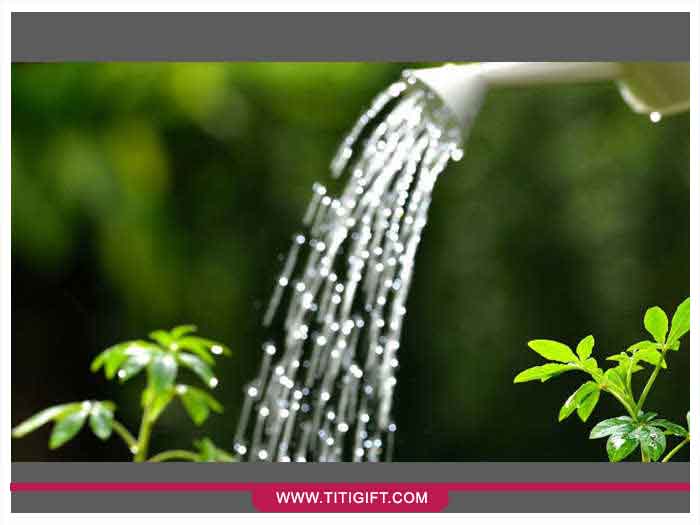
Soil:
Choosing the right soil is another important aspect of plant care. Soil is the medium in which a plant seed is planted and grows, and throughout its life, a plant obtains many of the resources it needs through the soil. The air between soil particles provides oxygen for the plant and its roots. Soil can also retain the water and nutrients plants need, allowing the roots to absorb them over time. In addition, soil plays an important role in protecting roots from external impacts and fluctuations in environmental temperature. There are many different types of soil, and each type is suitable for particular plants based on its specific characteristics and composition. In other words, different plants require different types of soil with specific combinations of nutrients and properties.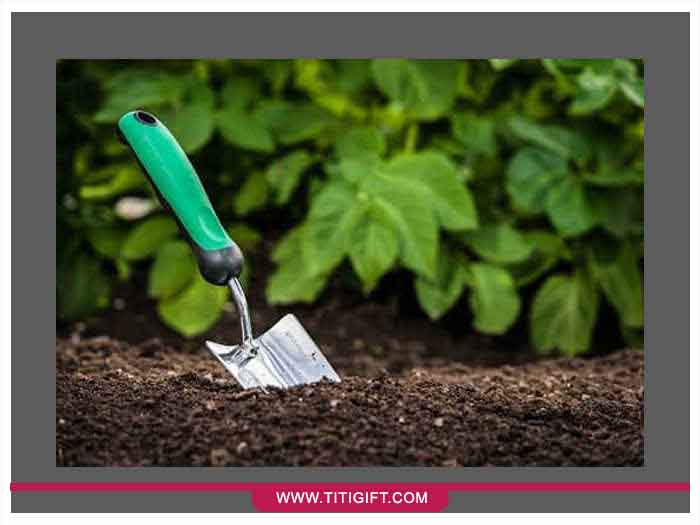
Light:
Light is the primary source of energy required for photosynthesis. In general, the light conditions of an environment are evaluated based on factors such as light intensity, the duration of light exposure, and light quality. Light is one of the most important factors in determining whether an environment is suitable for growing a particular plant. Different plants have different lighting requirements. For example, some variegated and colorful plants have less chlorophyll than green plants and therefore may require more light to carry out sufficient photosynthesis and maintain their growth and appearance.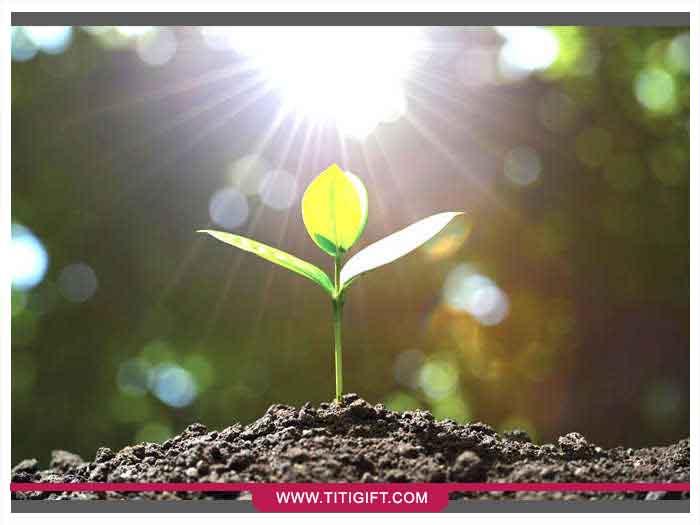
Temperature:
Another important factor in caring for flowers and houseplants is maintaining a suitable temperature in their growing environment. In general, a moderate temperature of approximately 16 to 27 degrees Celsius is considered suitable for many plants. However, different plant species have different temperature requirements, and some may prefer cooler or warmer conditions. Certain plants can also tolerate temperatures above or below their ideal range for limited periods. In general, however, excessively high or low temperatures can damage plants and negatively affect their growth. When choosing a suitable location for your plants, keep in mind that areas close to heating or cooling systems are usually not ideal. Places where the temperature constantly fluctuates between hot and cold can also cause stress and should be avoided whenever possible.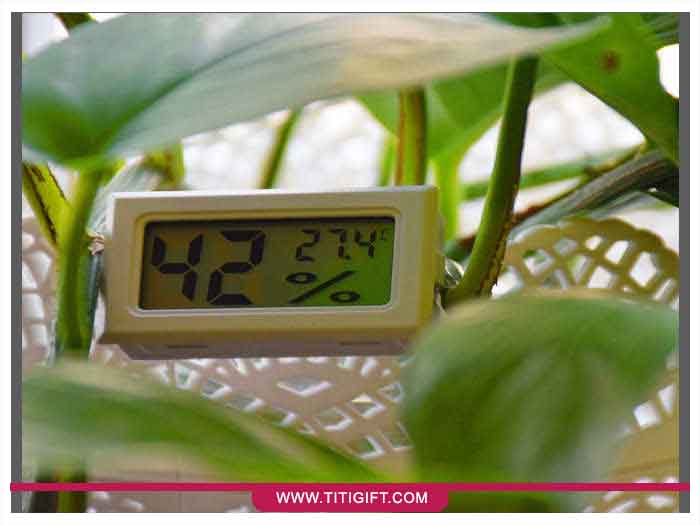
Nutrients:
Certain elements and nutrients are essential for the normal growth and overall health of plants. If these nutrients are not adequately supplied, a plant may survive for a considerable period of time, but it will gradually lose its freshness and vitality, become weaker, and may eventually die. In this section, we will look at some of the most important nutrients that are essential for the growth and survival of plants after buying houseplants.
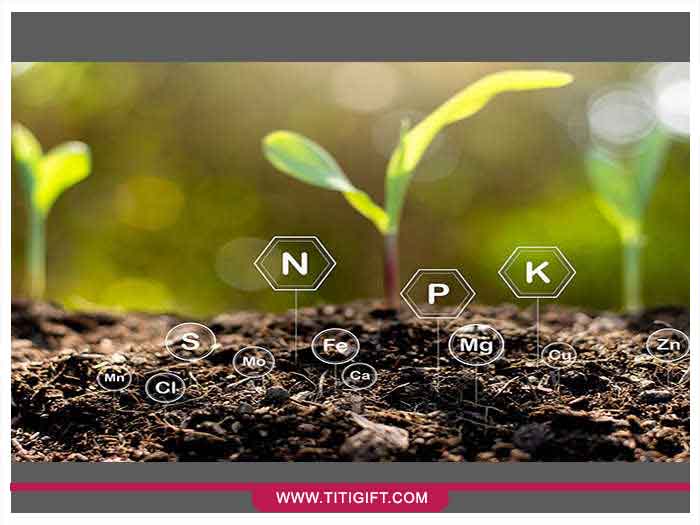
Nitrogen, phosphorus, and potassium are the three primary nutrients required for normal plant growth and the completion of the plant life cycle.
Nitrogen helps plants maintain green, healthy, and attractive leaves. Phosphorus plays an important role in plant growth and the development of new buds and roots. Potassium contributes significantly to the plant's resistance to pests and diseases and also plays an important role in regulating various physiological processes within plants.
Other elements, including calcium, iron, magnesium, chlorine, sulfur, zinc, copper, sodium, and others, can also contribute to healthy plant growth and help plants develop more successfully and effectively.