









The Proper Way to Water Houseplants
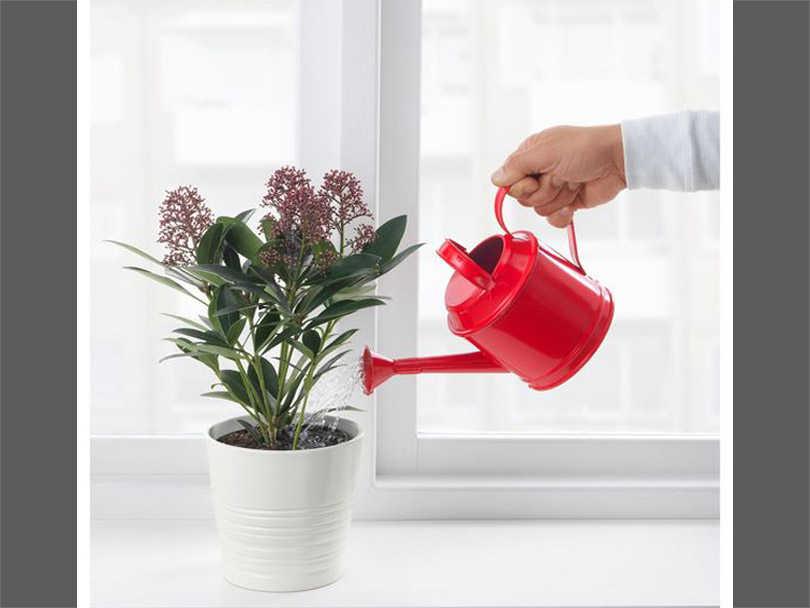
One of the first and most essential needs of every plant is water. Therefore, one of the most important aspects of plant care after buying houseplants and ordering a flower pot is understanding how to water plants properly and following the correct watering method. The watering needs of flowers and plants vary depending on several factors, including the plant species and variety, growing environment, season, local climate, age of the plant, and other conditions. Each plant requires a specific watering routine based on its individual needs and growing conditions.
Different plants have different water requirements, so you cannot water all of your plants in the same way or with the same amount of water. For example, some plants require a considerable amount of water and may need frequent or even daily watering, while other plants may only need watering once a week or even less frequently. Naturally, if a plant with low water requirements is watered in the same way as a plant that requires a large amount of water, it may suffer from root damage, root rot, and eventually die within a relatively short period of time.
One of the most important principles of properly caring for flowers and houseplants is to first obtain sufficient information about the plant you own and become fully familiar with its specific care requirements. With the right knowledge and by providing the necessary conditions, you can enjoy a beautiful and healthy plant in your home or environment and help it maintain its freshness and vitality as it grows.
Proper watering should be carried out in a way that prevents the plant from becoming either waterlogged or excessively dry. You can slowly water your plant until you see excess water draining from the bottom of the pot. (Always check the drainage holes before watering to make sure they are not blocked by soil or other particles. If they are blocked, clear them before watering.) This helps ensure that water reaches all areas of the soil and that even roots growing toward the bottom of the pot receive sufficient moisture. After watering, remember to empty the saucer underneath the pot where excess water has collected. Otherwise, the roots may gradually become deprived of oxygen and eventually suffocate.
As mentioned earlier, watering requirements can vary significantly among different plants. However, as a general guideline, many plants prefer to grow in moderately moist soil, although some plants prefer drier conditions, while others require consistently higher levels of moisture and may be damaged if their soil becomes even slightly dry. For proper watering, you can first check the moisture level of the soil and water the plant when you determine that it actually needs water. Do not rely only on the dryness of the soil surface, because the deeper layers may still contain sufficient moisture, and watering again too soon could expose the roots to excessive moisture. To check the soil properly, gently insert one finger about two finger joints deep into the soil. If the soil feels dry at that depth, it is generally a good indication that the plant may be ready for watering.
To provide your plant with suitable water, it is generally better to avoid using water that is extremely cold or hot, as sudden temperature differences can stress the plant. Ideally, use water that is close to room temperature. You can fill your watering can with tap water and let it sit for some time so that its temperature becomes closer to the surrounding environment. Allowing tap water to stand may also help some of the chlorine dissipate, although the effect depends on the type of water treatment and disinfectant used.
Proper timing can also help make watering more effective. In general, watering in the early morning is often recommended because temperatures are usually lower and the plant has enough time to absorb and use the water during the day. Watering during the hottest part of the day can result in faster evaporation, while watering late at night may leave moisture on the leaves and stems for longer periods, potentially increasing the risk of fungal problems in some plants. For this reason, early morning, before strong sunlight reaches the plant, is often considered one of the best times to water indoor and outdoor plants.