









What Is the Proper Way to Repot Houseplants?
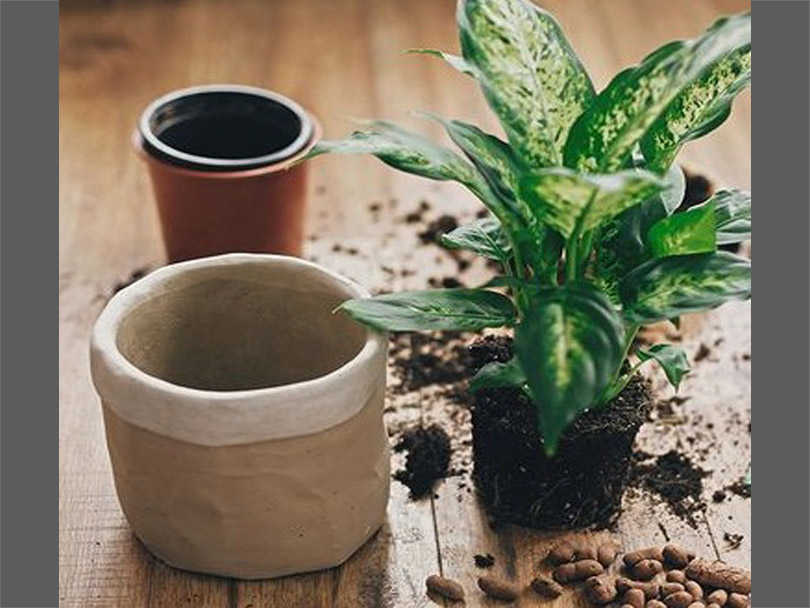
Just as a human child grows and needs new clothes in an appropriate size from time to time, plants are also constantly growing and developing, and every once in a while they need a suitable pot in the right size. In fact, a pot is considered the home of a plant, and naturally, the plant should feel comfortable in its home so that it can continue to grow and live properly. When you notice that your plant has grown so much that its size has become larger than the pot it currently has and the weight of the plant may cause the pot to fall, or when the roots have started to come out through the bottom of the pot, or the plant's growth has stopped, you should know that it is time to repot your plant. Repotting in a proper and correct way is one of the most important things you need to be familiar with. Below, you can read about the important points that should be considered when repotting houseplants and the steps that need to be carried out correctly. Repotting:
First, it should be mentioned that the best time to repot houseplants is in spring, which is the growing season. Due to the flow of plant sap throughout the plant, the roots can better repair their tissues and recover from any possible damage caused during repotting.
After buying a houseplant and taking care of it, whenever you intend to repot your plants, it is better to water the plant thoroughly one or two days beforehand. This allows the plant to fully absorb the water and moisture it needs, resulting in less stress during the process of moving it. This moisture will also make it easier to separate the plant from its old pot.
When removing your plant from its pot, be careful not to damage it. This should be done carefully and gently. First, loosen the soil around the sides of the pot slightly using a small trowel or knife, then gently turn the pot over and remove the plant.
Shake off the excess soil from the plant, and you can also remove some roots that are not healthy. However, make sure not to damage the main root or the healthy roots. Prepare the new pot, which should be one size larger than the old pot, and check its drainage to make sure that the holes at the bottom of the pot are in good condition. It is recommended to wash the new pot with warm water before using it to remove any possible contamination. It is better to cover the inside of the pot and the holes with a layer of gravel or pumice so that excess water can drain properly from the pot when watering. Then add new soil to the new pot (it is better to use packaged potting soil) and fill the pot with as much soil as necessary. Place the plant upright exactly in the center of the pot and soil, and fill the space around it with soil. After repotting is complete, water your plant thoroughly until water comes out through the drainage holes at the bottom of the pot. This helps provide moisture to the new soil and also allows it to settle evenly. Then place the pot in a shaded area for 2 days, after which you can move your houseplants back to their usual location.
Sometimes, for various reasons, it may not be possible to repot a houseplant. For example, if your plants are very large and heavy, repotting will naturally not be an easy task, and in some cases, it may even be impossible. In this situation, you can replace the surface soil with fresh soil every year. To do this, you generally remove approximately 3 to 5 centimeters of the surface soil and replace it with new soil.