








Choosing the Right Pot for Your Plants
Buying houseplants and taking care of them can bring a sense of freshness, vitality, and liveliness to your environment and allow you to enjoy the beautiful feeling of nature indoors. To take proper care of your plants, one of the things you need to know is how to choose a suitable pot in every respect, one that provides the necessary space and conditions for the growth and continued health of your plant.
When choosing a suitable pot, the pot material, pot size, and drainage should all be carefully considered.
Pot Material:
After ordering a houseplant pot, you can choose from different types of pots according to the size of your plant, its specific needs, and your personal preferences. Plastic pots, terracotta pots, ceramic pots, concrete pots, metal pots, and other types are among the most common pot materials, which I will briefly discuss below.
Plastic Pots:
Plastic pots are produced and offered in a wide variety of shapes, colors, and designs. They are available at an affordable and lower price compared to other types of pots. In terms of durability and resistance, they can be considered neither too weak nor extremely durable. Since they are lightweight, they can be moved easily.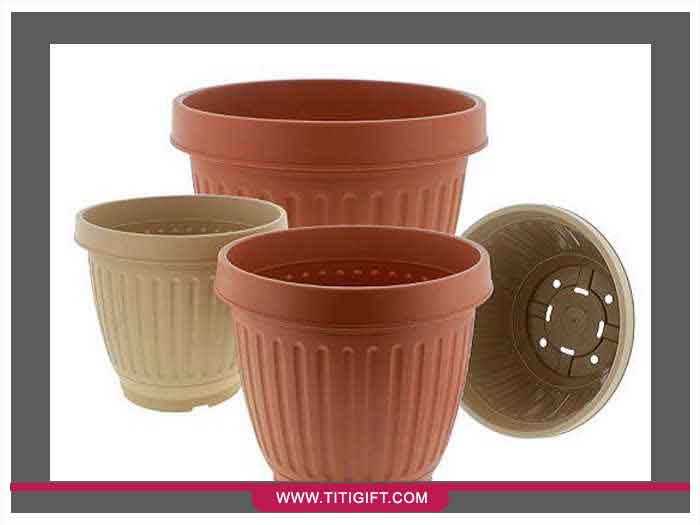
Terracotta Pots:
Terracotta pots are also available in different designs and sizes and at relatively reasonable prices. Because terracotta pots are heavy and resistant to wind, they can be a suitable choice for outdoor spaces. On the other hand, since they are fragile, it is better to place them in an area where there is little risk of the pot being hit or damaged. Due to the many pores in their material, terracotta pots lose water faster than other types of pots. Therefore, plants grown in terracotta pots usually require more frequent watering.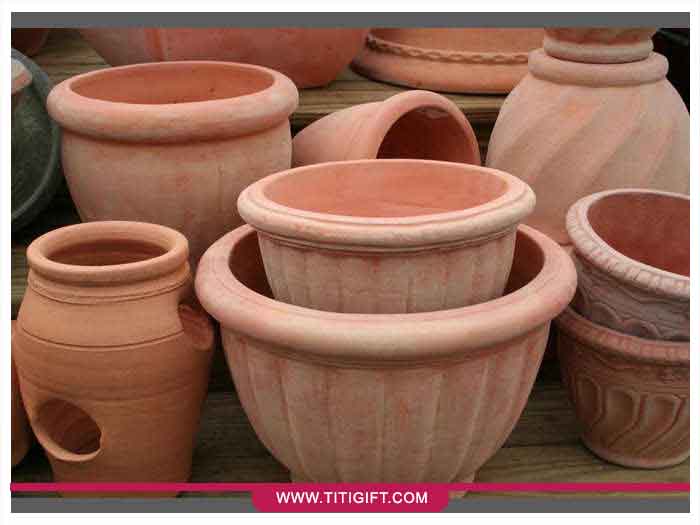
Ceramic Pots:
Ceramic pots are available in both plain and patterned designs and come in a wide variety of colors. With their elegant yet simple appearance, these pots can suit a wide range of personal tastes. Ceramic pots are suitable for plants that require high soil moisture because they have fewer pores and therefore retain water for a longer period. Ceramic pots also have good resistance to cold and heat and are generally more expensive than other types of pots.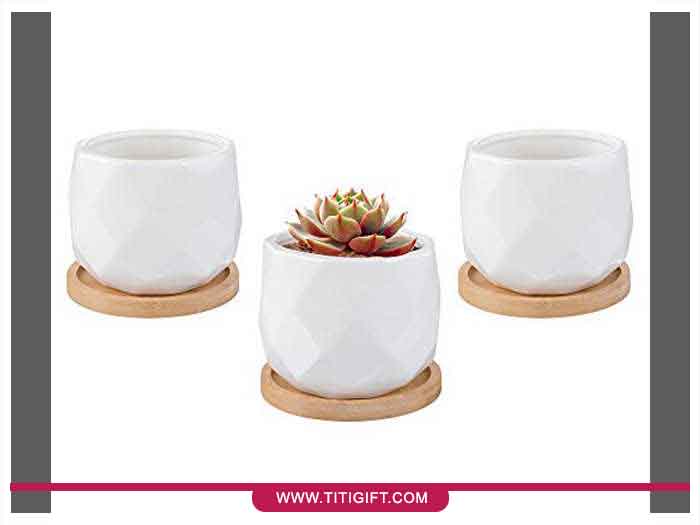
Concrete Pots:
Concrete pots are relatively expensive. Obviously, these types of pots are very heavy. Their heavy weight makes moving them quite difficult. However, at the same time, concrete pots provide good protection for plants against possible impacts and temperature fluctuations. If you intend to order a concrete houseplant pot, it is recommended that you first choose a permanent location for it and, after planting your plant, keep the pot in the same place permanently.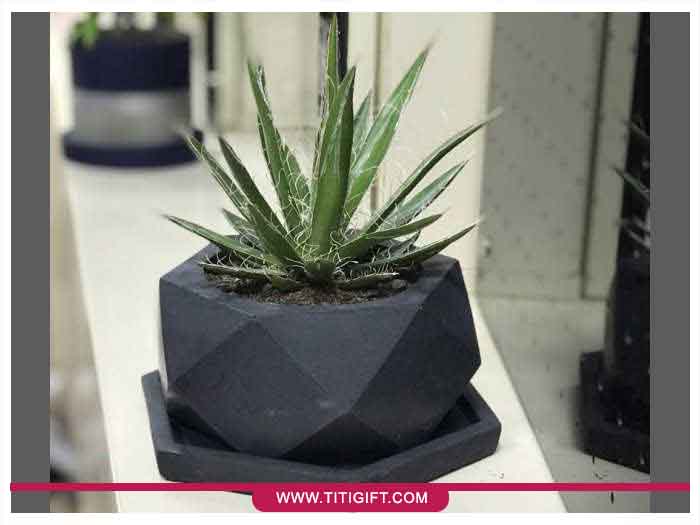
Metal Pots:
Metal pots are highly durable and can be used for a long time without becoming damaged or deteriorating. Metal pots are usually made from iron, aluminum, zinc, copper, lead, and stainless steel, and their weight varies depending on the type of metal used. These pots are currently very popular and are available on the market in various sizes and designs. Metal pots are generally more expensive.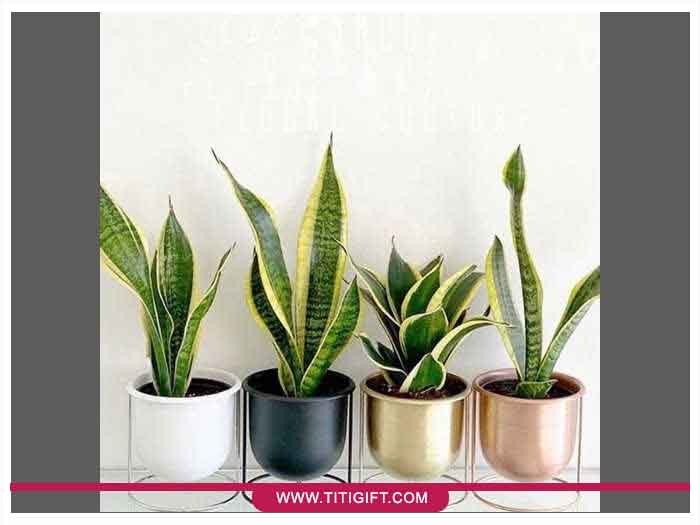
Pot Size:
In general, a houseplant should be placed in a pot that is appropriately sized for the plant as it grows. If the pot is larger than the standard recommended size, it will hold a greater volume of soil, and this larger amount of soil will require more time to dry after watering. As the soil takes longer to dry, the roots may gradually begin to rot. The opposite happens with a small pot: the soil dries so quickly that you will need to water the plant more frequently. Simply put, a large pot can make a plant less active and may hinder its growth, while a small pot can prevent normal growth due to limited space and pressure on the plant.
Once your plant has grown sufficiently and its current pot has become too small, you can move it into a pot whose diameter is 5 to 10 centimeters larger than the current pot.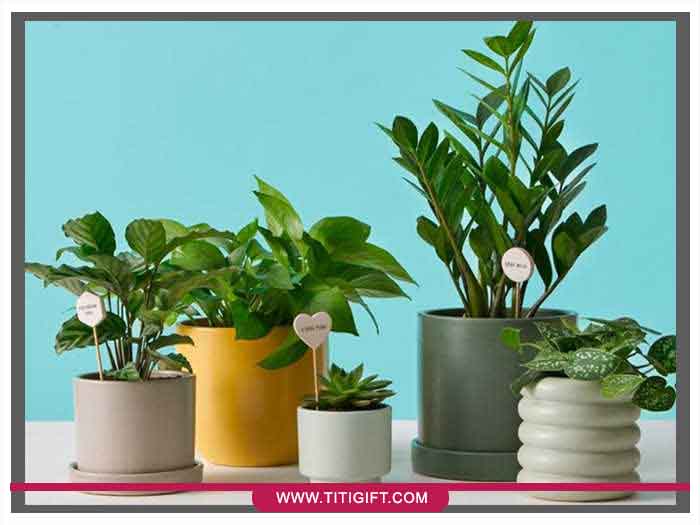
Pot Drainage:
One of the most important points to consider when initially buying a houseplant pot is making sure that the pot has proper drainage.
The presence of holes at the bottom of the pot, or proper drainage, is extremely important because if you give your plant more water than it needs during watering, the excess water can drain out through these holes. This helps prevent the roots from becoming waterlogged and eventually rotting. These holes can also promote oxygen exchange and significantly improve root respiration.
To ensure that your pot has proper drainage, when planting your plant, you can place a layer of expanded mineral pumice or small stones at the bottom of the pot. Then, add the suitable soil you have selected over this layer and plant your plant in it. This layer allows excess water to pass through easily and eventually drain out through the holes at the bottom of the pot.