









All About Lisianthus Flowers
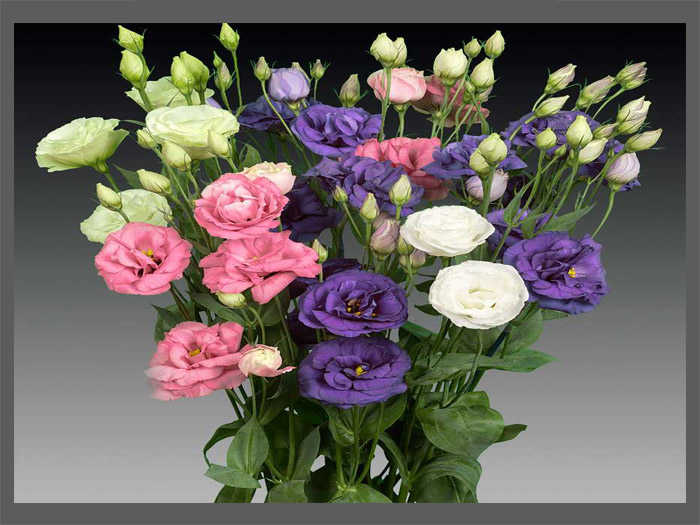
Lisianthus (Eustoma grandiflorum) is a beautiful flowering plant native to the grasslands of North America, particularly the states of Nebraska, Colorado, and Texas. It belongs to the Gentianaceae family and is commonly known as the Prairie Gentian or Texas Bluebell because of its elegant blue wildflowers. Today, Lisianthus has become one of the most popular flowers in the floral industry thanks to its wide variety of colors, delicate appearance, and exceptional vase life.
Over the past few years, Lisianthus has become a favorite choice for floral arrangements and bouquets. Available in both single and double-petaled varieties, this flower is admired for its sophisticated beauty and is often mistaken for a rose due to its soft, layered petals. Its long-lasting blooms make it an excellent choice for bouquets, floral gifts, weddings, and luxury flower arrangements.
Lisianthus is grown as an annual or short-lived perennial and comes in both tall and dwarf varieties. Tall stems are ideal for cut flower arrangements and bouquets, while compact varieties are perfect for decorative pots and indoor planters.
Because Lisianthus is sensitive to being moved after planting, it is recommended to place it in its permanent location from the beginning and avoid repotting whenever possible. Deep pots with good drainage are the best choice for healthy root development.
Lisianthus thrives in temperate greenhouse conditions and is sensitive to low temperatures. The ideal growing temperature is between 20–24°C (68–75°F) during the day and 16–18°C (61–64°F) at night. Cooler temperatures encourage stronger stems but may extend the growing period, while excessive heat during the first month after transplanting can cause rosette formation in sensitive cultivars.
This elegant flower prefers full sunlight during its vegetative growth but benefits from filtered or softer light during blooming. Excessive light may reduce stem length, making the flowers less suitable for cut arrangements.
Lisianthus grows best in neutral to slightly alkaline loamy soil with excellent drainage. The soil should remain consistently moist but never waterlogged. During the early stages of growth, the plant requires relatively little water; however, once flowering begins, the soil should not be allowed to dry out completely.
One of the most attractive features of Lisianthus is its incredible color range. It is available in white, green, blue, lavender, lilac, pink, purple, red, cream, peach, and even bi-colored varieties. Some cultivars feature petals with contrasting edges, creating a stunning variegated appearance that makes them especially popular in premium floral designs.
Each Lisianthus color carries its own symbolic meaning. Pink Lisianthus is a thoughtful gift for celebrating the birth of a baby or honoring a new mother. Red Lisianthus represents deep love and passion, yellow symbolizes happiness, friendship, and positive energy, while purple expresses loyalty, admiration, and lasting affection. Whether you're celebrating a special occasion or simply expressing your feelings, Lisianthus is an elegant and meaningful choice for any bouquet.
```