









Introduction to Echinocactus, Echinocactus Cactus Care and Growing Guide
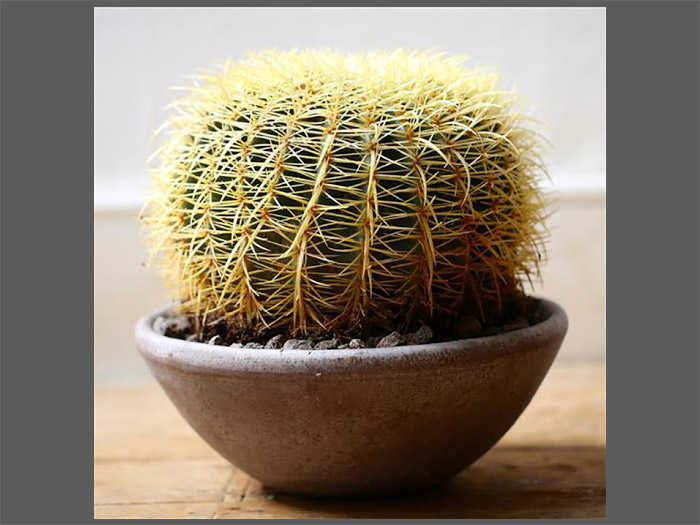
English name: Echinocactus
Family: Cactaceae
Echinocactus is divided into six species depending on its compact growth and the woolly phase that forms at the apex. The woolly growth at the top of this cactus increases its flowering ability. In areas with high humidity and low sunlight, Echinocactus usually does not bloom. The presence of yellow spines and deep longitudinal ribs are among the most distinctive characteristics of this cactus. If the plant grows under ideal conditions, it can reach about 1 meter in diameter and up to 1.5 meters in height. Funnel-shaped yellow or pink flowers and dry fruits are other notable features of Echinocactus.
By ordering an Echinocactus houseplant, which is one of the easiest cactus species to grow, it can be propagated easily through seeds. In flower shops, it is known for its relatively fast growth, tolerance to a wide range of harsh conditions, and resistance to improper care or handling. Its striking appearance, especially the golden-yellow spines, has made it a popular ornamental cactus.
Types of Echinocactus:
Echinocactus grusonii
Echinocactus horizonthalonius
Echinocactus parryi
Echinocactus platyacanthus
Echinocactus polycephalus
Echinocactus texensis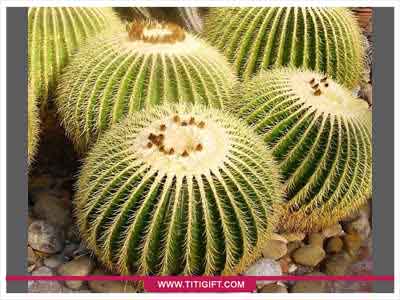
Watering Echinocactus: Moderate watering is needed during spring and summer, but watering should be reduced in autumn. This plant should only be watered two to three times during winter. Avoid overwatering, as the natural growing conditions of cacti are different from those of most houseplants. When ordering this plant, keep in mind that it should never be watered during the day while it is under direct sunlight. Watering in strong sunlight may cause sunburn, fungal attacks, and scarring on the plant.
Suitable soil for Echinocactus: Cacti can grow in different soil types such as rocky, sandy, or clay soils, but the best mix is one that drains quickly while still retaining a small amount of moisture. From a florist’s perspective, cactus soil should be porous and well-aerated so water can drain easily and the roots can breathe properly. Climate is also an important factor in choosing the right soil. In warm climates, cacti need lighter and more permeable soil, while in colder climates, where watering is less frequent, a slightly heavier soil is more suitable. In general, cacti prefer soil with a pH below or close to 7.
Suitable temperature for Echinocactus: If you plan to buy an Echinocactus houseplant, provide moderate warmth from spring to autumn and a cool place during winter. The ideal temperature is around 10–11°C, although many cacti can tolerate temperatures down to 5°C. If the weather becomes very cold and there is no heating source available, move cacti away from windows and into a warmer room. Some cactus species should be kept at around 15°C.
Suitable light for Echinocactus: Place the cactus in the brightest possible location, especially during winter. In greenhouses, some shade is necessary during the hottest months of the year. Echinocactus prefers full sunlight, although intense direct sunlight on extremely hot days may cause sunburn.
Suitable humidity for Echinocactus: Do not create humid conditions for this cactus during summer (except for Cleistocactus species). These plants need fresh air. Open windows during summer to allow proper air circulation around the plant.
Pests and diseases of Echinocactus:
Excessive watering and poor ventilation can lead to fungal diseases. If fungal symptoms appear, use Benomyl fungicide according to the recommended instructions.
Mealybugs are another common pest and usually appear as tiny insects in the woolly parts of the plant. Frequent spraying with cold water can contribute to this problem. If detected, use Diazinon insecticide mixed with a small amount of dishwashing liquid.
Spider mites are among the most dangerous and stubborn pests of Echinocactus. Early signs include yellow spots on the plant, which later turn brown as the infestation becomes more severe. Dry air encourages spider mites. The simplest preventive method is to spray the plant regularly with lukewarm water. There is no easy specific treatment for severe infestations.
Overwatering during winter can cause fungal rot and may eventually kill the plant.
Propagation methods of Echinocactus:
The most important propagation method is by sowing seeds. Seeds are usually planted from April to May, although they can be sown in any season if suitable conditions are provided.
Echinocactus can also be propagated by cutting off the top of the plant to encourage offsets (pups). This should be done during the growing season. About 3–4 weeks after cutting, small white woolly spots appear on the stem. Over time, these spots develop into small Echinocactus pups. Once the pups become large enough, they can be separated from the mother plant and rooted in a light, well-drained soil.
Pot selection for Echinocactus:
Echinocactus prefers shallow and wide pots. Therefore, terracotta or clay pots are the best choice for planting this cactus.