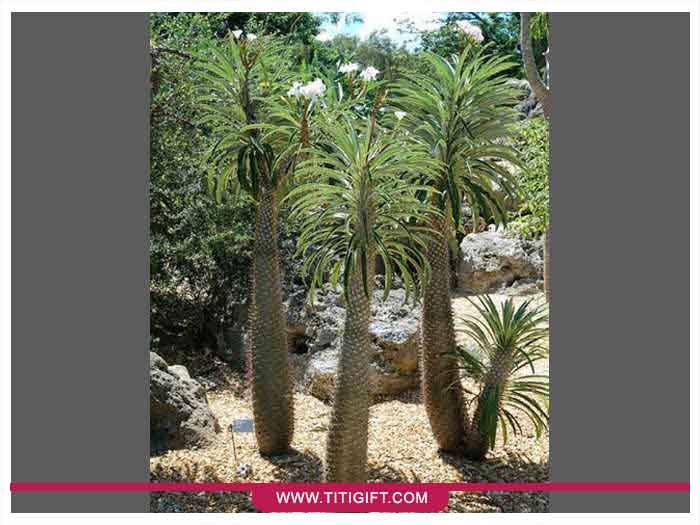









Madagascar Palm: A Complete Introduction and Care Guide
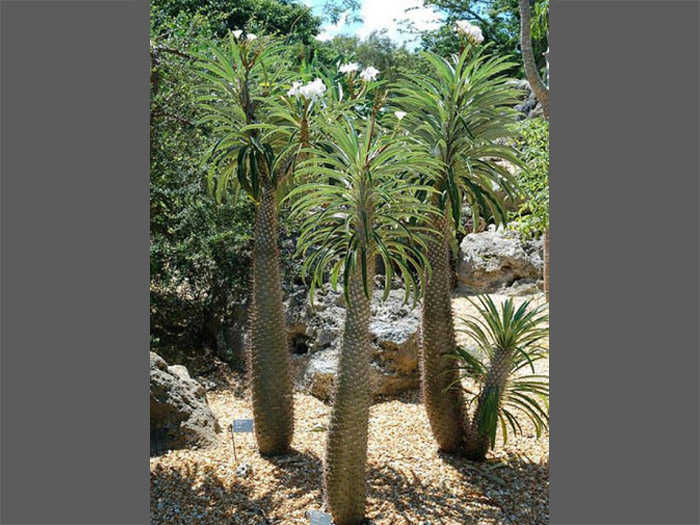
The Madagascar Palm belongs to the Apocynaceae family and has two well-known species: Pachypodium lamerei and Pachypodium geayi. Due to their unique appearance and easy maintenance, these species are now cultivated in many parts of the world.
Buy Indoor Plants – The Madagascar Palm is easy to care for because it is highly resistant to changing environmental conditions. In late autumn and throughout winter, the plant enters its dormant period. During this stage, the leaves naturally turn yellow and fall off, which is completely normal.
The Madagascar Palm is susceptible to fungal diseases; however, if provided with proper care, it can grow up to 30 cm each year. This plant also gives a clear sign when it is thriving under ideal conditions—the appearance of flower buds among its leaves.
Due to its long sharp thorns and toxic nature, this plant can be dangerous for children.
Madagascar Palm Care Guide
Watering the Madagascar Palm:
When you Order Indoor Plants, the Madagascar Palm is an excellent drought-tolerant choice. It stores water in its trunk and uses these reserves during periods of severe drought. However, you should not intentionally let the plant rely on these emergency water reserves. Watering approximately twice a week is sufficient under normal growing conditions.
Always make sure the pot has proper drainage to prevent water from accumulating, as excess moisture can cause root rot. Overwatering may also result in yellowing and leaf drop. During the plant's dormant season, reduce watering to once a week.
Light Requirements:
The Madagascar Palm requires bright light and thrives in sunny environments. It tolerates direct sunlight very well, making it an ideal plant for balconies, terraces, and sunny windows. Bright indirect light is also suitable. Avoid placing this plant in low-light or shaded locations, as insufficient light can slow its growth and cause the leaves to yellow and fall.
Humidity:
This plant does not require high humidity and adapts well to average indoor humidity levels.
Temperature:
The Madagascar Palm can survive in temperatures ranging from 10°C to 50°C. When temperatures fall below 10°C, the leaves may turn black and drop, and prolonged exposure to cold can lead to stem rot.
Soil:
The soil should have excellent drainage to allow excess water to leave the pot quickly. A cactus potting mix is the best choice. An ideal growing medium consists of fine sand, coco peat, and peat moss. Because of its light texture, cactus soil drains efficiently and helps prevent fungal diseases. Repot the plant and replace the soil in spring if needed.
Propagation:
The Madagascar Palm can be propagated through seeds or stem cuttings. Seed propagation is relatively difficult because the seeds do not germinate easily. Before planting, soak the seeds in warm water and then place them in moist sand. For propagation by cuttings, use mature branches growing below the leaves near the main trunk. Cut the stem with clean pruning shears and allow it to dry in the shade for about one week before planting it in a mixture of coco peat and sand. Applying rooting hormone will improve root development.
Common Pests and Diseases:
Root rot is usually caused by overwatering and poor drainage.
Leaf drop may occur due to infestations of aphids, spider mites, scale insects, and especially mealybugs. Use an appropriate insecticide to eliminate these pests.
Leaves that turn yellow and then brown are often a sign of fungal infection. Apply a suitable fungicide to treat the disease.