








Identifying Houseplant Pests
Plant Pests:
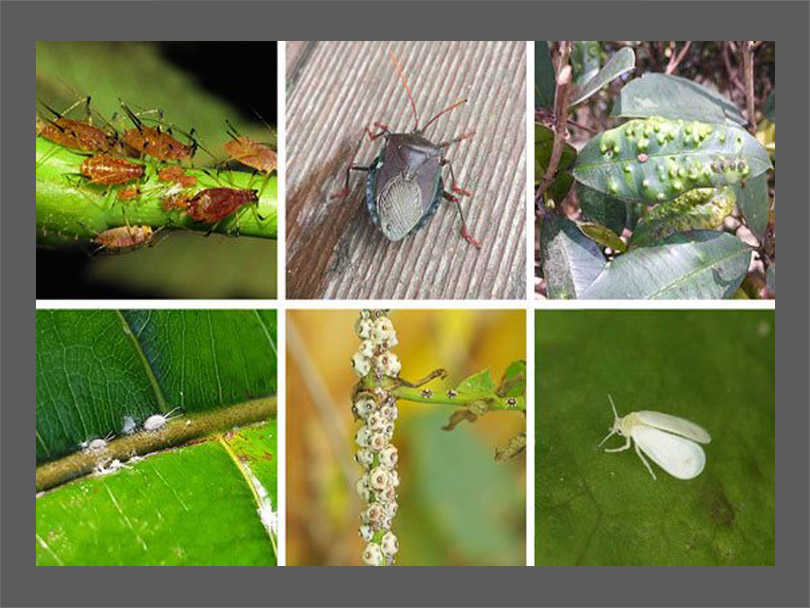
Any living organisms that directly or indirectly cause damage or harm to plants are generally considered plant pests.
Some pests are relatively easy to identify and eliminate, while others can be much more difficult to detect and control. One of the most unpleasant and troublesome problems that may occur after buying houseplants and while caring for them is a pest infestation. If plant pests are not identified and controlled in time, they can gradually damage the plant's appearance and eventually threaten its survival. Some plant pests can also spread from one plant to another when plants are kept close together.
One of the most important principles of caring for houseplants and protecting them against pests and diseases is prevention. Whenever possible, take steps from the beginning to reduce the risk of your plants becoming infested.
For this reason, when you order a houseplant, make sure that the plant is healthy and free from visible signs of pests or disease. To keep your plant healthy, it is also important to provide proper watering, adequate nutrition, sufficient light, and all other care requirements.
In other words, prevention should always be your first priority. If your plant does become infested, identify the problem as quickly as possible and take appropriate measures to control it before the infestation becomes more severe.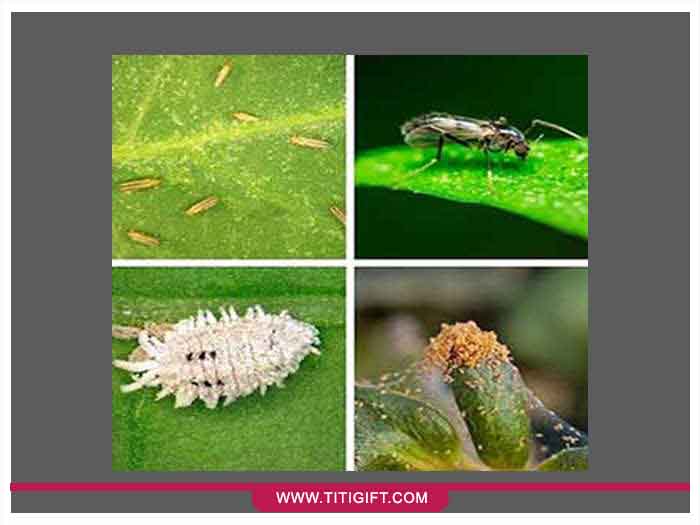
Common Types of Plant Pests:
1. Aphids:
Aphids are small insects that resemble tiny lice and can be found in green, red, brown, pink, yellow, and black colors. They commonly gather around new growth, shoot tips, and the undersides of leaves, where they feed on plant sap. As a result, plant growth may gradually become weaker and can eventually be severely affected. For a non-chemical control method, you can spray the affected parts of the plant with a strong stream of water to dislodge the aphids. This treatment may need to be repeated regularly for up to two weeks. If the infestation is severe and the aphids cannot be effectively removed with water, an appropriate insecticide may be necessary.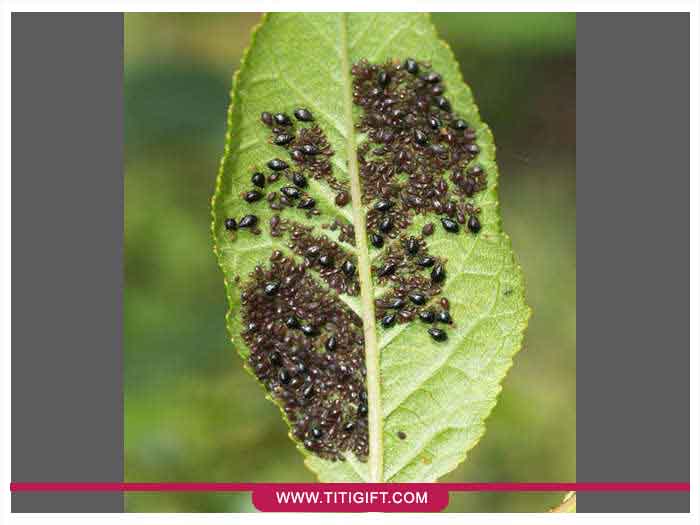
2. Spider Mites:
Spider mites are extremely small pests that are often difficult to see with the naked eye. They are usually noticed only after they have already caused visible damage to the plant. Spider mites feed by piercing plant cells on the leaves, leaving numerous tiny spots that can gradually become more extensive as the infestation progresses. If you notice the first signs of spider mites, wash the leaves thoroughly and wipe them with a soft cloth or sponge moistened with a mild soapy solution. Then rinse the plant with lukewarm water. If the infestation is extensive, severely affected leaves can be removed, and an appropriate treatment may be required if necessary.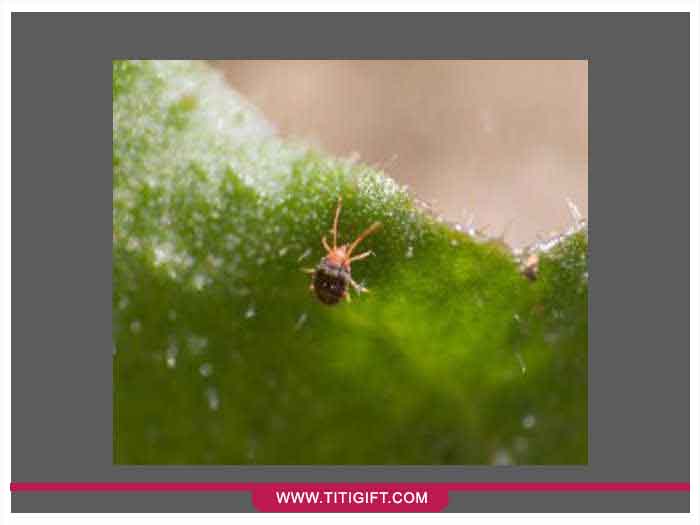
3. Mealybugs:
Mealybugs are small insects that commonly settle on stems, leaf axils, and young leaves. They produce a white, powdery or waxy coating that helps protect them and their eggs. As an infestation progresses, mealybugs can cause plants to become weak, wilt, and turn yellow, eventually resulting in leaf drop and severe plant damage. To control this pest, first remove visible mealybugs from the plant using a soft cloth or cotton swab. Areas with remaining white, waxy residue can then be gently cleaned with a suitable soapy solution. Repeat the treatment several times over a period of approximately two weeks. For localized infestations, a cotton swab or cloth lightly moistened with rubbing alcohol can also be used carefully on affected areas, provided the plant tolerates it. Always test a small area first to avoid damaging sensitive leaves.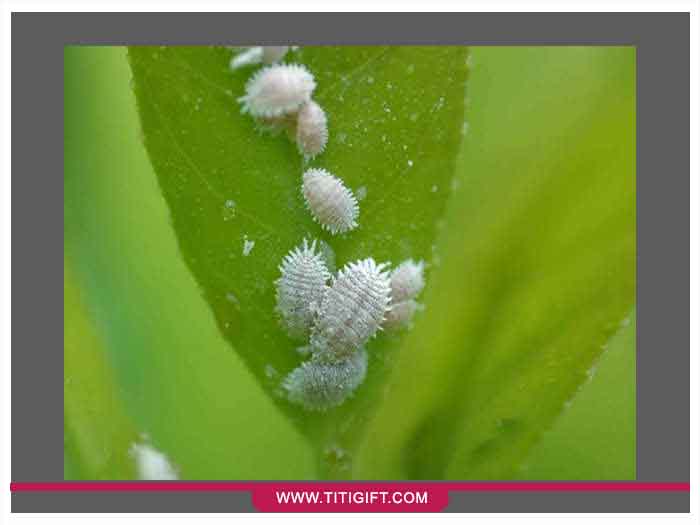
4. Scale Insects:
Scale insects are small pests covered by protective scale-like coverings. They commonly live on the undersides of leaves and along the main veins, stems, and branches of plants. They may appear yellow, green, brown, or other colors, which can sometimes make them difficult to detect. A severe scale infestation can weaken the plant, cause discoloration and leaf damage, and lead to poor growth. To control scale insects, you can carefully remove visible insects using a soft cloth or cotton swab and a mild soapy solution, followed by rinsing the plant with lukewarm water. If the infestation is severe, an appropriate pest-control treatment may be necessary.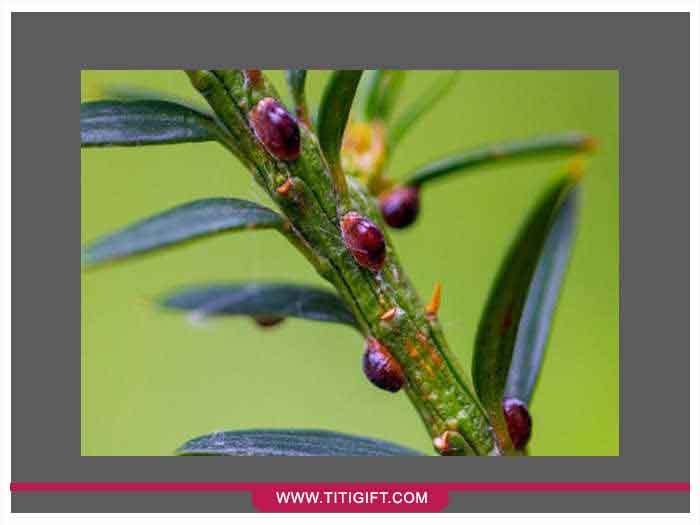
5. Earthworms in Potting Soil:
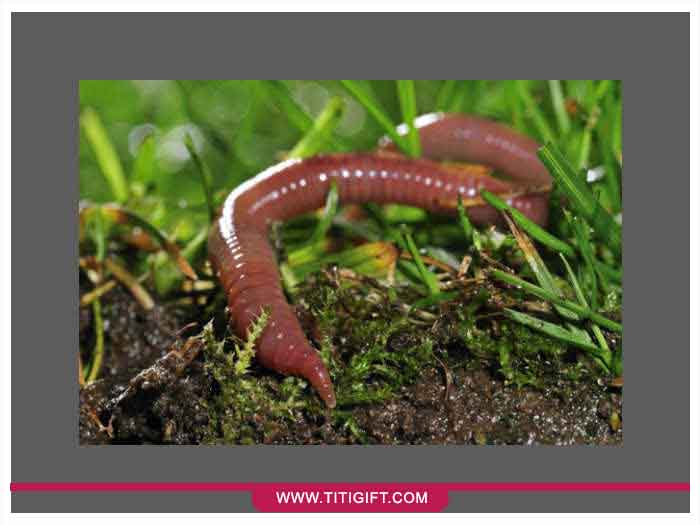
Earthworms are another type of organism that may occasionally be found in the soil of potted plants. In garden soil, earthworms can be beneficial because their movement can help improve soil structure, water movement, and aeration. However, finding them in indoor plant pots may indicate that the potting medium contains organic material or other conditions that support their presence, and in some situations their activity can disturb delicate roots or the structure of the growing medium. Signs may include declining plant health, disturbed soil, or changes in the appearance of the roots and leaves. If you find earthworms in the soil of your houseplants and want to remove them, repotting the plant with fresh, suitable potting soil is one effective approach. You can also carefully remove the existing soil around the roots and inspect the root system before replanting the plant in clean soil.