








Getting to Know Alstroemeria Flowers
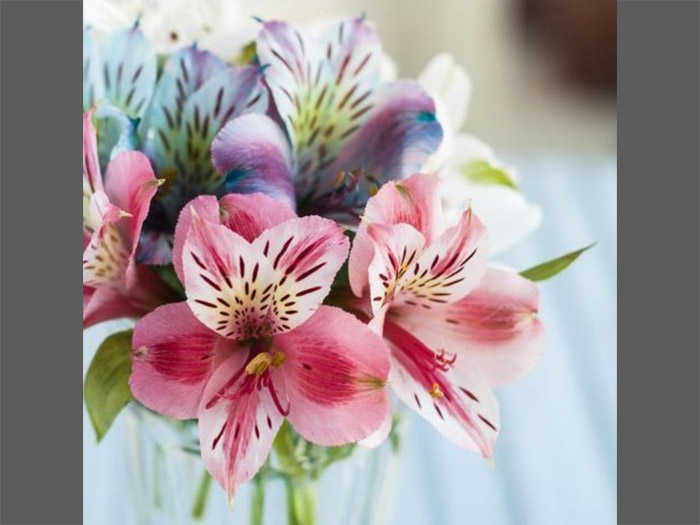
Scientific Name: Alstroemeria spp.
Family: Alstroemeriaceae
One of the remarkable characteristics of the Alstroemeria flower is that it thrives in cool temperatures. Once flowering begins, it continues blooming for a long period and produces a high yield of flowers. Alstroemeria is widely used as a cut flower in the floral industry for creating flower bouquets, flower baskets, and many other flower delivery arrangements. It is also an excellent choice for growing in pots and garden beds. This plant contains a sap similar to that found in tulips. Contact with the sap may cause skin irritation, blisters, and a condition known as Tulip Finger.
Types
1. Orchid Types: These varieties produce their heaviest flowering from early spring for approximately three to five months. They require a chilling period of 10–15°C (50–59°F) to initiate flowering and continue vegetative growth until the following spring. Other characteristics include their tall height (2.5–3 meters), abundant flowering over a relatively short period, triploid genetics, and low sensitivity to photoperiod.
2. Butterfly Types: These varieties bloom for 9–12 months throughout the year. Flower initiation requires temperatures between 13–16°C (55–61°F), followed by long daylight hours. Butterfly Alstroemerias are available in diploid and tetraploid forms. They are ideal for potted flowering plants as well as for producing cut flowers used in flower bouquets and flower baskets. They are generally shorter than the orchid-type varieties.
Growing Requirements:
Temperature: Alstroemeria is sensitive to severe cold. Higher temperatures accelerate flowering, but temperatures above 20–25°C (68–77°F) may produce weaker flower stems, incomplete bud development, viral-like symptoms, and eventually cause flowering to stop prematurely. This plant performs best in moist, well-drained soil under full sun to partial shade.
Watering: Since Alstroemeria has a shallow root system, it requires relatively high and consistent moisture. Sprinkler and drip irrigation systems are recommended. Monthly water requirements range from approximately 20 mm during late autumn and winter to over 100 mm during late spring and early summer. On average, the plant requires between 500 and 800 mm of water annually.
Humidity: The ideal relative humidity is 70–80%. If summer humidity falls below 50%, combining sprinkler irrigation with drip irrigation is recommended.
Light: Around 12–13 hours of daylight per day is ideal for flowering. Short days (approximately 8 hours of light) delay flowering and reduce flower production.
Vase Life: When flower stems are harvested as the first florets begin to open, their vase life can reach up to 21 days with proper care.
Alstroemeria is available in a wide variety of beautiful colors, including white, purple, pink, red, and many others. These colorful blooms are popular choices for thank-you flowers, birthday flowers, and all kinds of flower delivery occasions.
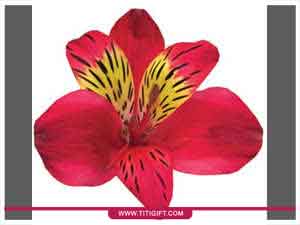
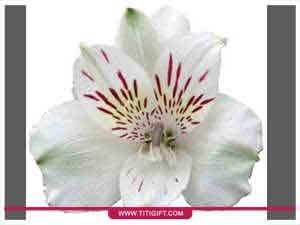
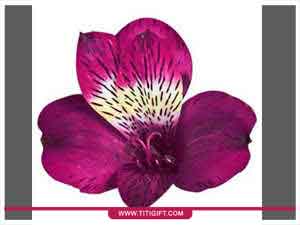
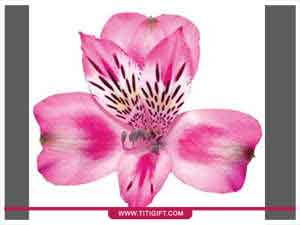
Alstroemeria varieties are commonly classified according to their height, soil preference, sunlight requirements, and flower color.
The downward-twisting leaves and brightly colored blossoms are distinctive features that make Alstroemeria such an elegant and eye-catching flower. Because of its miniature lily-like appearance, it is sometimes mistaken for other lily species. However, Alstroemeria can easily be identified by the dark markings on its inner petals and its characteristic yellow-green stems.