





How to Choose the Right Soil for Your Plants?
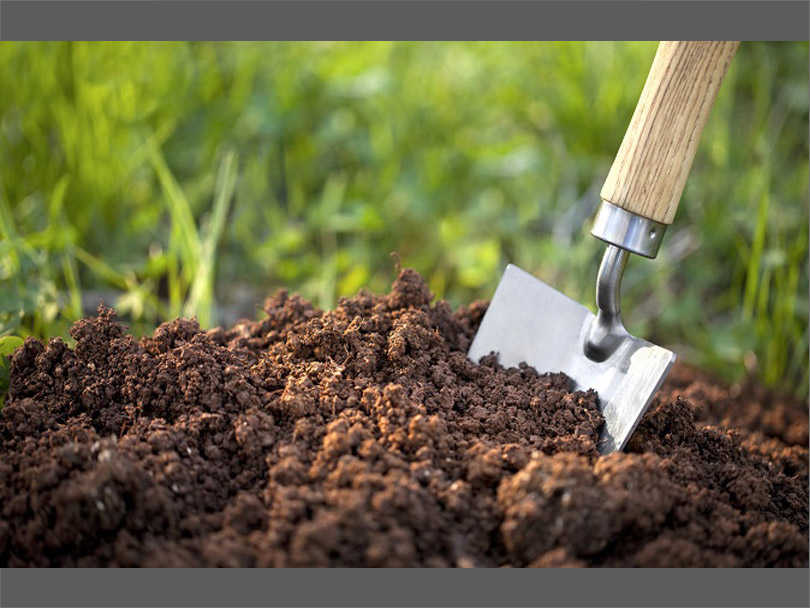
Soil is one of the essential and important elements for the growth and development of plants. In fact, soil provides the primary foundation and growing medium for plants, and plants obtain many of the nutrients and resources they need for growth and survival from the soil. Soil also plays an important role in protecting the roots from external impacts and fluctuations in environmental temperature. Therefore, if you want to properly care for and grow your plants after buying houseplants, it is essential to choose suitable soil and plant your plant in an appropriate growing medium.
In general, suitable soil should be fertile and have a balanced structure. Good soil should be sufficiently light and well-draining so that roots can grow properly and water can move through the soil with ease. At the same time, the soil should have enough structure to support the plant firmly while retaining an appropriate amount of water and moisture. In other words, soil should not be so light and loose that water immediately passes through it and drains away completely. On the other hand, overly heavy and compact soil can prevent proper movement of water and air around the roots, eventually leading to waterlogging. After watering, waterlogged soil leaves insufficient oxygen around the roots, which can cause root suffocation and eventually damage the plant.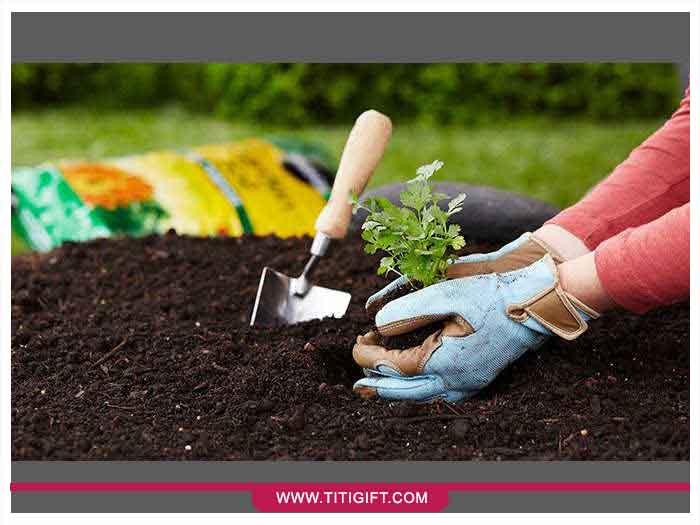
A Simple Test for Checking Soil Quality:
In general, not everyone can determine soil quality simply by looking at it. However, there is a simple test that can help you evaluate the texture and drainage characteristics of soil. To perform this test, first moisten a small amount of soil so that it is evenly damp. Then take some of the soil and place it in the palm of your hand. Close your hand for approximately 3 seconds and then open it. You will generally observe one of two results. In the first case, the soil remains tightly compressed and sticks together. This can indicate that the soil is heavy and contains a high proportion of clay, has excessive cohesion, and may therefore have poor drainage and low permeability. Such soil is generally not a suitable choice for houseplants because poor drainage can lead to prolonged moisture around the roots, root suffocation, and eventually plant damage or death.
The second possible result is that when you open your hand, the soil does not remain tightly compressed and instead breaks apart or returns toward its original loose texture in your palm. This generally indicates a better soil structure and can be a good choice for many plants, although the ideal soil composition ultimately depends on the specific plant species.
Types of Suitable Soil and Growing Media for Pots:
Leaf mold, coco peat, vermicompost, perlite, and peat moss are well-known growing media and soil amendments commonly used for potted plants.
Leaf Mold:
Leaf mold is one of the growing media used for houseplants. In terms of nutritional value, it generally does not provide a significant amount of nutrients on its own. However, it is commonly used because of its light structure, good aeration and drainage properties, and relatively low cost.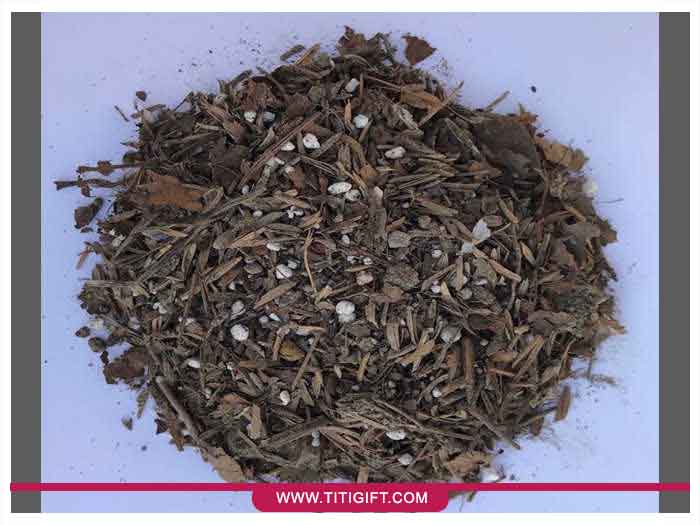
Coco Peat:
Coco peat is particularly valued for its good quality, high porosity, and excellent water-holding capacity. It is made from coconut fibers and can therefore retain moisture and certain minerals effectively. Coco peat is also widely used as a suitable growing medium for bonsai cultivation, propagation from cuttings, and seed starting.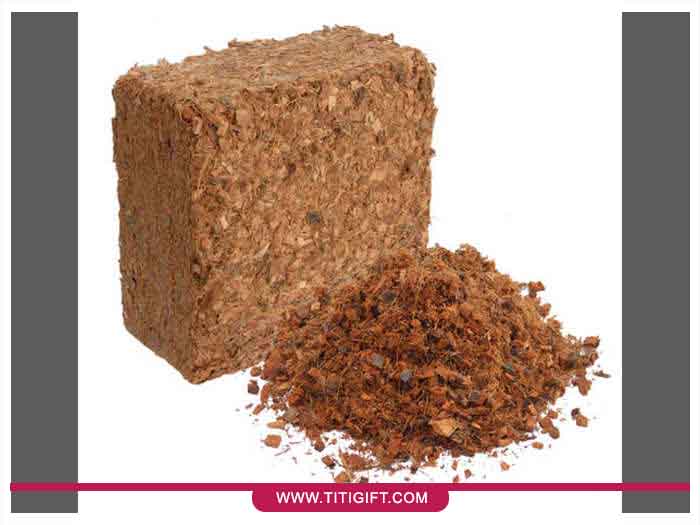
Vermicompost:
Vermicompost is one of the valuable organic soil amendments that can support healthy plant growth and development. It is produced through the decomposition and processing of organic materials by earthworms and has a nutrient-rich structure. Vermicompost can contain nutrients such as carbon, nitrogen, phosphorus, potassium, calcium, iron, zinc, and other macro- and micronutrients. It can contribute to plant growth, root development, improved soil structure, and faster seed germination.
Keep in mind that vermicompost should generally not be used alone as the primary growing medium. Instead, it is better to use it in combination with an appropriate soil or growing medium to provide additional nutrients and support healthy plant growth.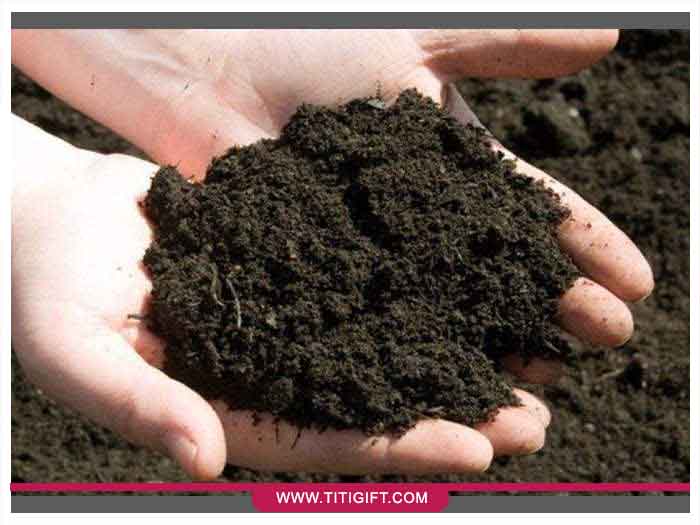
Perlite:
Perlite consists of lightweight white granules. When you purchase a ready-made soil mixture from flower shops, you may notice these white particles throughout the soil. Perlite is produced from volcanic rock and is widely used in potting mixes because it improves aeration and drainage while also helping the growing medium retain an appropriate amount of moisture. Perlite can also provide a favorable environment for root development and propagation.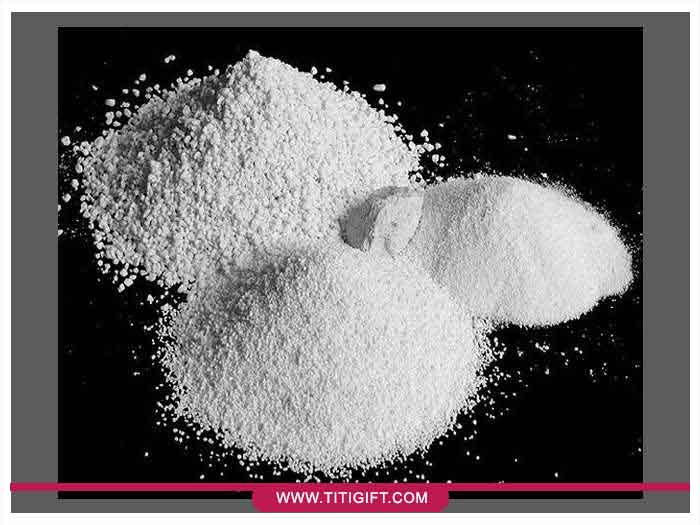
Peat Moss:
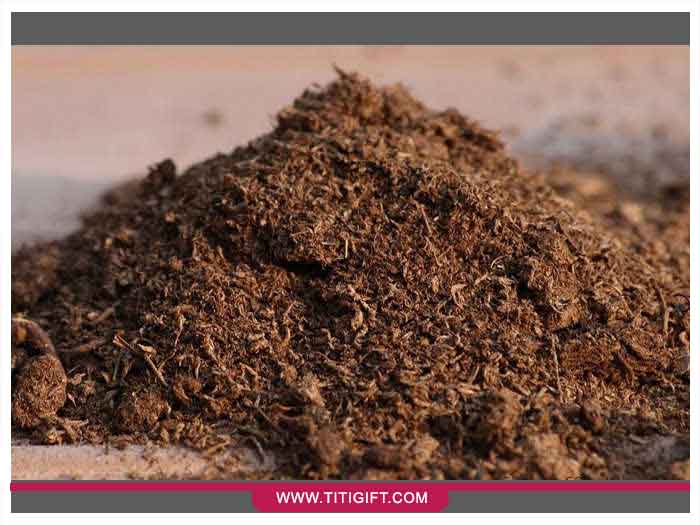
Peat moss consists primarily of partially decomposed plant material that accumulates over long periods in waterlogged environments such as bogs and wetlands. Peat moss can be a useful component in growing mixes for supporting plant growth and moisture retention, and it can also provide a suitable medium for root development and propagation.