









Introduction to Aglaonema
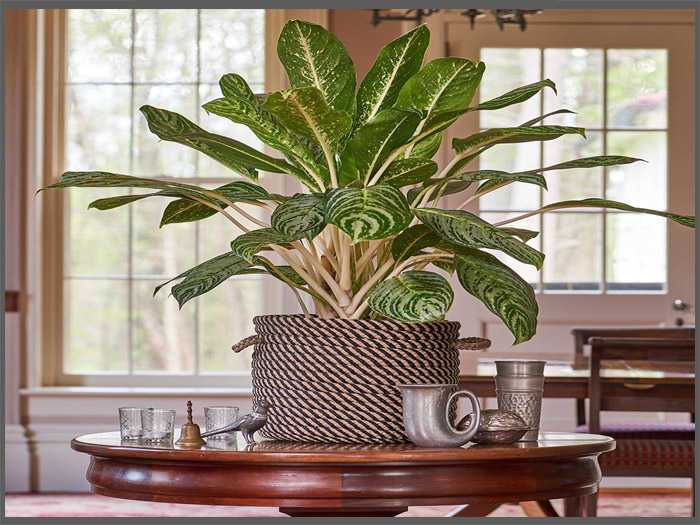
The Aglaonema plant offers numerous health benefits and, according to NASA research, is listed among the best air-purifying plants. By ordering an Aglaonema houseplant, you will own a beautiful plant that absorbs airborne pollutants and harmful chemicals while releasing fresh oxygen. Different varieties of Aglaonema plants are available in a wide range of colors and patterns, each with its own unique beauty. For example, the White Aglaonema is one of the most popular choices for plant lovers, featuring stunning foliage with a combination of white and dark green. This attractive plant belongs to the Araceae family and includes more than 40 different species, each with its own distinctive appearance.
Most Aglaonema varieties have variegated foliage with short stems and lance-shaped leaves that gently arch downward. The leaves range from 10 cm to over 30 cm in length, while mature plants can grow taller than 60 cm. Under ideal growing conditions, Aglaonema produces small white flowers that have little ornamental value, so they are usually removed to encourage healthier foliage growth.
Aglaonema is highly tolerant of heat and dry conditions, making it an easy-care houseplant and an excellent choice for homes and offices. One of its greatest advantages is its ability to remove toxins from indoor air quickly, which is why it is considered one of the best bedroom plants. While all plants absorb carbon dioxide during the day and release oxygen, air-purifying plants such as Aglaonema continue producing oxygen at night while also filtering harmful pollutants. As a result, placing one in your bedroom can help create a fresher atmosphere and promote a more restful sleep. Thanks to its simple care requirements, Aglaonema is also one of the best recommendations for beginner plant owners.
Types of Aglaonema
The different varieties of Aglaonema mainly differ in leaf size, shape, and color. Some have narrow or smaller leaves, while others feature broader and longer foliage. Leaf coloration also varies significantly. Almost all Aglaonema varieties available in the market have variegated leaves, and colorful cultivars generally require brighter light to maintain their vibrant appearance.
1- Pink Aglaonema: There are many beautiful pink varieties, including Red Aglaonema, Lipstick Aglaonema, Suzy, and many others. Some of these popular cultivars are introduced below. Because of their colorful foliage, they require more light than green varieties.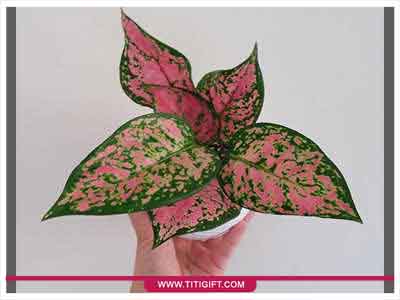 2- White Aglaonema: White Aglaonema is one of the most popular varieties, recognized by its attractive white-speckled leaves. Since its foliage contains less chlorophyll, it requires brighter indirect light to maintain its freshness and beautiful coloration.
 3- Black Aglaonema: Black Aglaonema is a hardy and highly popular variety. Thanks to its darker foliage, it tolerates lower light conditions better than many colorful cultivars.
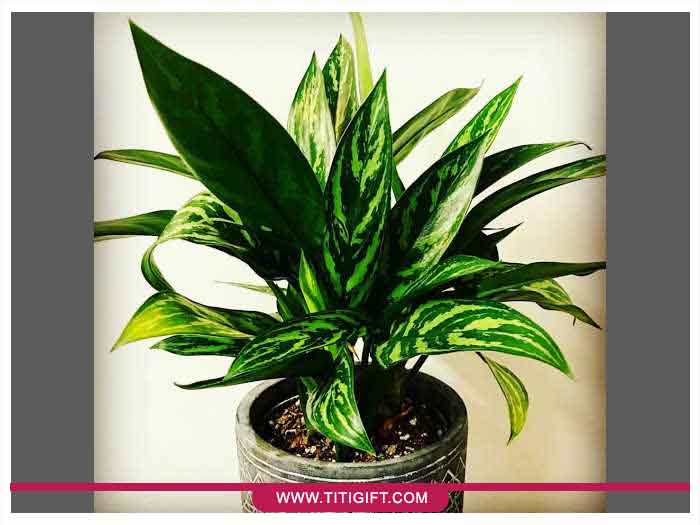 4- Aglaonema Silver Queen: This is one of the best-known and most widely grown Aglaonema varieties. It requires very little maintenance and is an ideal choice for beginners who are growing houseplants for the first time.
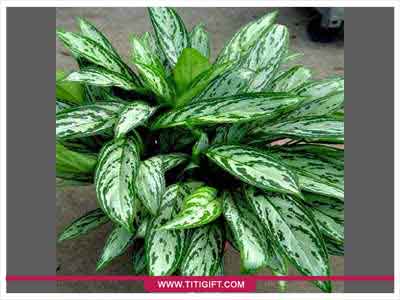 5- Aglaonema Cutlass (Aglaonema Cutlass): Also known as the Sword Aglaonema, this variety gets its name from its long, narrow, sword-shaped leaves.
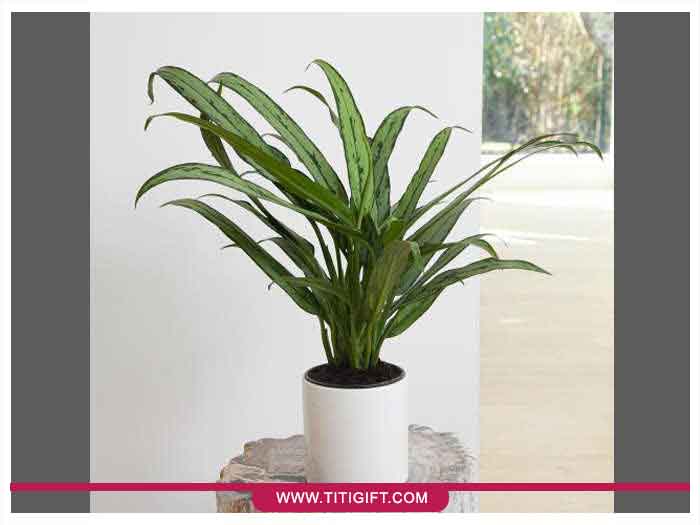 6- Aglaonema Emerald Bay (Aglaonema Emerald Bay): Like other dark-leaved cultivars, Emerald Bay performs well in low-light environments and is appreciated for its elegant foliage.
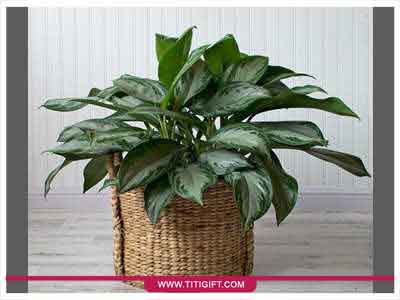 7- Aglaonema BJ Freeman (Aglaonema BJ Freeman)
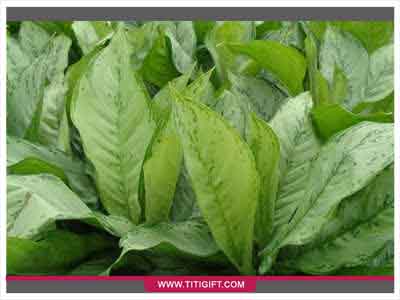 8- Aglaonema Pictum Velvet (Aglaonema Pictum Velvet): This rare variety features exceptionally unique and eye-catching foliage and is considered very uncommon in our country.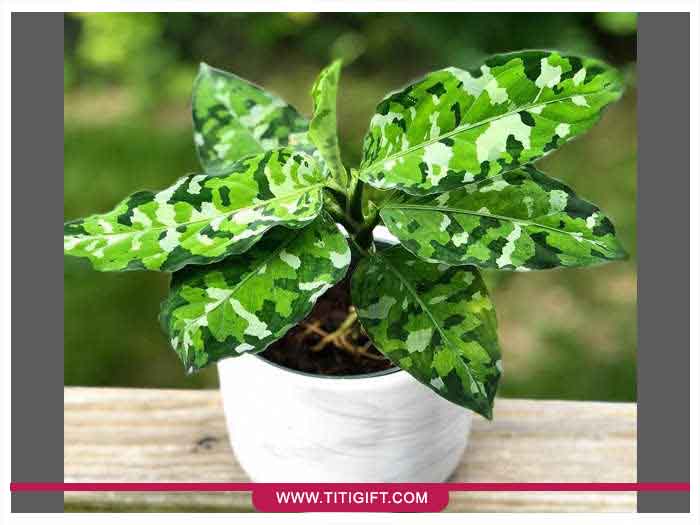
Aglaonema Care Guide:
The care requirements of different Aglaonema varieties are generally the same. The primary difference between cultivars is the amount of light they need.
Light: Aglaonema has low light requirements and ranks among the best houseplants that can survive in limited natural light. The ideal location is near a north-facing window where it receives bright indirect light. Avoid placing the plant in direct sunlight, as this can scorch and damage its leaves. Keep in mind that colorful and variegated varieties require more light than dark green ones, and insufficient light may cause their vibrant leaf colors to fade.
Watering: Most Aglaonema varieties have similar watering needs. Water the plant only when the top layer of soil has dried completely. Overwatering can damage the leaves and lead to root rot, one of the most common problems affecting this plant.
Humidity: Since Aglaonema is native to warm and humid tropical regions, it thrives in a humid environment. You can increase humidity by using common methods such as placing a tray of water nearby or creating a pebble tray beneath the pot. During summer, misting the leaves once a day with cooled boiled water is also beneficial. Interestingly, because of its love for humidity, Aglaonema is an excellent choice for bathrooms with sufficient natural light.
Temperature: The ideal temperature for Aglaonema is between 18°C and 25°C (64°F–77°F). This plant is sensitive to cold temperatures, and prolonged exposure to cold can quickly kill it. Likewise, placing it too close to heating or air-conditioning vents can also damage the plant.
Fertilizing: Aglaonema does not require heavy feeding, but for healthier growth during its active growing seasons (spring and summer), you can apply a balanced houseplant fertilizer every two weeks according to the manufacturer's instructions.
Soil: A light, well-draining potting mix is ideal for Aglaonema. A combination of leaf mold, sand, peat moss, garden soil, or a quality ready-made potting mix enriched with organic matter provides excellent growing conditions.
Repotting: Aglaonema usually needs repotting every one to two years. However, if roots begin growing out of the drainage holes or the leaves become weak despite proper care, it is a sign that the plant has outgrown its pot and should be repotted.
Cleaning the Leaves: If dust accumulates on the leaves, gently wipe them with lukewarm, mineral-free water from time to time. If stains remain after cleaning with water, you can use a diluted mixture of milk and water to remove them. This solution also provides beneficial nutrients that help keep the foliage healthy and glossy.
Common Aglaonema Diseases and Their Treatment:
Brown Spots on the Leaves: Brown spots usually indicate improper growing conditions. They may result from excessive direct sunlight, misting the leaves while they are exposed to sunlight, air pollution, or pests living in the soil. First identify the exact cause, then treat the problem accordingly. For pest infestations, begin with natural or homemade pest-control methods before resorting to chemical pesticides if necessary.
Drooping or Wilted Leaves: This problem is commonly caused by exposure to cold air, a pot that has become too small, or insufficient watering. Move the plant to a warmer location and make sure it is watered before the soil becomes excessively dry.
Small White Cotton-Like Insects Under the Leaves: These insects are known as mealybugs. Before using chemical insecticides, try removing them with a diluted solution of water and mild dish soap.
Yellow Leaves: Both overwatering and underwatering can cause the leaves to turn yellow. Establish a consistent watering schedule and avoid allowing the soil to remain either waterlogged or completely dry for extended periods.
Small or Stunted New Leaves: New leaves that remain unusually small are often caused by a pot that is too small, poor nutrition, or inadequate light. Repot the plant if necessary, provide proper fertilization, and move it to a brighter location with indirect sunlight.