









Introduction to Bonsai
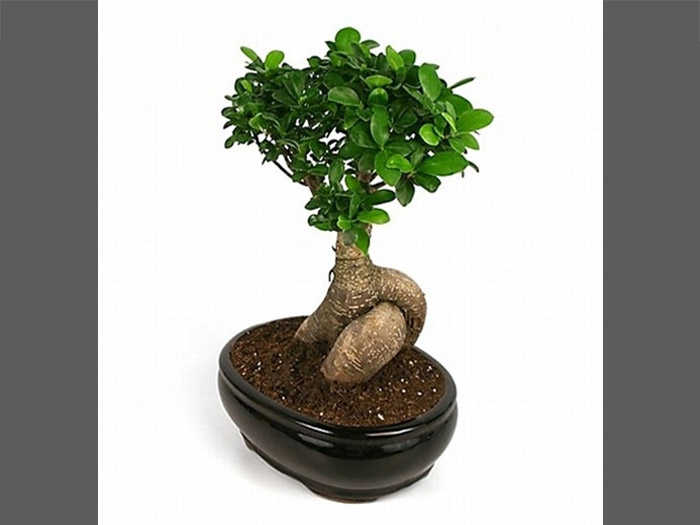
A Bonsai plant is a miniature tree cultivated in a container. In fact, the Japanese word "Bonsai" literally means "planted in a container."
How to Position a Bonsai Tree:
Before placing your bonsai plant in the ideal location, you should first know the tree species and its specific care requirements. Most bonsai trees, such as juniper, pine, and spruce, are outdoor species that should experience the same seasonal conditions as their full-sized counterparts.
Outdoor bonsai trees also include deciduous species whose leaves change with the seasons. These include maple, elm, and ginkgo. Do not place them on a kitchen windowsill or coffee table. Bonsai are real trees, and trees naturally belong outdoors. Unless your bonsai is a Serissa or a Ficus, it is best to keep it outside whenever possible. However, there are a few species available for those looking to buy indoor plants that can tolerate indoor conditions.
Subtropical bonsai species that thrive in stable temperatures throughout the year include:
Jade plants, Hawaiian umbrella trees, and Ficus trees. Once you determine which type of bonsai you have purchased from your indoor plant order, the remaining care becomes much easier. Below are several general guidelines that apply to most bonsai trees.
Placement: Keep your bonsai away from direct sources of heat.
Lighting: Place your bonsai in a location that receives plenty of natural light.
Humidity: Bonsai trees require adequate humidity to keep their soil properly moist.
Watering Your Bonsai: One of the most common reasons bonsai trees die is underwatering. Because the soil layer is very shallow, it dries out quickly. Bonsai trees should be watered whenever the top layer of soil becomes dry.
According to professional florists, the watering frequency depends on the tree species, its size, and the type of soil used. Some bonsai may even require watering once a day. Instead of following a fixed routine, evaluate each ornamental plant individually before watering.
The primary goal of watering is to completely saturate the root system. To ensure thorough watering, continue until water drains from the drainage holes. However, overwatering can also be harmful. Symptoms of excessive watering include yellowing leaves and dieback of smaller branches.
When drainage is poor, the roots remain submerged in water and become deprived of oxygen, preventing healthy growth. Soil erosion and root problems may also occur due to inadequate drainage. To ensure proper watering, inspect your bonsai tree daily.
Choosing the Right Soil for Bonsai: The key to selecting the right soil is ensuring proper drainage. Add coarse particles to the soil mixture to improve drainage. An ideal bonsai soil should also retain sufficient moisture, which can be enhanced by adding clay. Fertile soil ensures your tree receives the nutrients it needs to remain healthy. A balanced fertilizer containing equal amounts of nitrogen, phosphorus, and potassium is recommended. Always water your bonsai thoroughly before applying fertilizer, as fertilizing dry soil may damage the roots.
Best Trees for Growing as Bonsai According to Florists:
1. Japanese Maple 2. Buddha Tree 3. Rock Cotoneaster 4. Baobab (Adansonia) 5. European Beech 6. Boxwood 7. Pomegranate 8. Juniper 9. Ficus Retusa 10. Weeping Fig 11. Jade Tree 12. Lacebark Tree 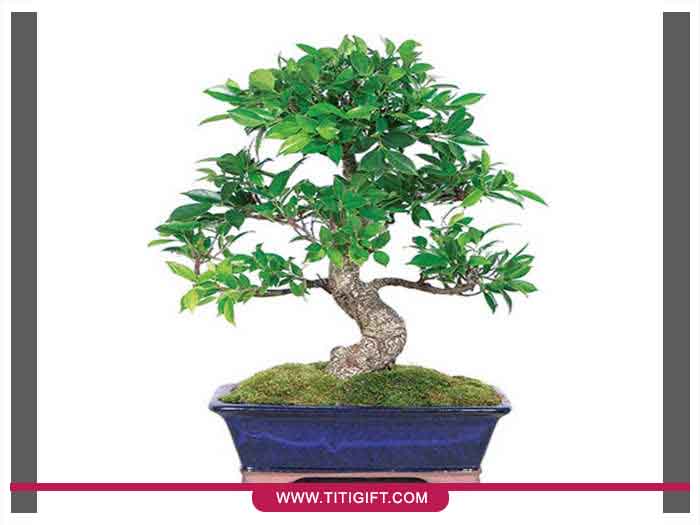 Ficus Retusa
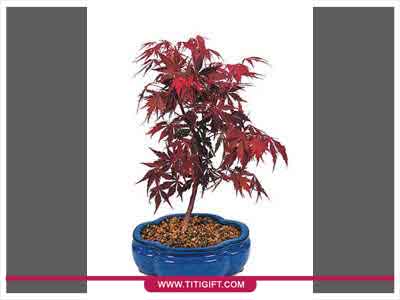 Japanese Maple