









Introduction to Schefflera (Umbrella Plant)
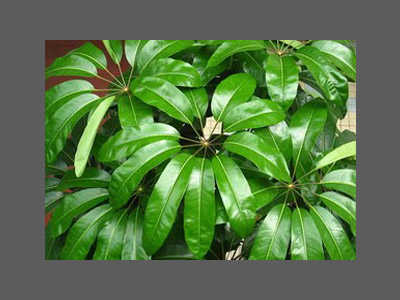
By placing an online flower order, you can enjoy the beauty of the Schefflera houseplant, also known as the Umbrella Plant. This attractive evergreen originates from Australia and belongs to the Araliaceae family. Its glossy, leathery, bright green leaves make it one of the most popular indoor ornamental plants.
In its natural habitat, the Schefflera tree can grow up to 3 meters (10 feet) tall. Unlike many ornamental plants that develop side branches after the terminal bud is removed, Schefflera typically grows with a single main stem.
Schefflera Growing Requirements
Light: Schefflera prefers bright, indirect light. Occasionally placing the pot in gentle morning sunlight is beneficial. If the plant receives insufficient light, the leaves become dull, lose their vigor, and may begin to drop. In this case, move the plant closer to a bright window.
Temperature: The ideal temperature for Schefflera is up to 27°C (81°F) during summer and no lower than 18°C (64°F) during winter. If temperatures rise above normal, provide good air circulation. Excessive heat or cold causes the upper leaves to wilt, so water the plant properly and adjust the room temperature as needed.
Watering: Allow the soil to dry slightly between waterings, and reduce watering during winter. For variegated Schefflera varieties, excessive watering and poor drainage can lead to root rot and black spots on the white or cream-colored sections of the leaves. In such cases, reduce watering, treat the soil with an appropriate fungicide, increase light exposure, and begin feeding the plant with fertilizer containing humic acid.
Humidity: Mist the plant twice a week throughout the year. If the air is dry, place the pot on a pebble tray filled with water to maintain consistent humidity. Dry air causes the plant to lose its freshness. If brown spots appear on the leaves, stop misting and rely on the humidity tray instead.
Fertilizing: Feed your Schefflera plant every two weeks with a water-soluble fertilizer formulated for ornamental plants, following the manufacturer's instructions. Variegated cultivars also benefit from an iron supplement once a month to maintain their vibrant leaf color.
Soil: A high-quality Dutch potting mix is ideal. A combination of peat moss, perlite, leaf mold, coco peat, and a small amount of sand provides excellent drainage and healthy root growth.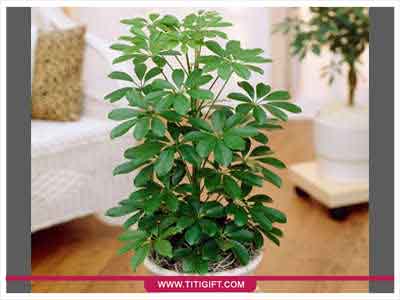 Repotting Schefflera
Young, actively growing plants should be repotted twice a year. As the plant matures, repotting once every one or two years is sufficient. If repotting is not possible, replace the top layer of soil with fresh, nutrient-rich potting mix. Tall plants may require a support stake. In the flower shop, a common recommendation is to repot Schefflera when roots begin emerging from the drainage holes of the container.
Cleaning the Leaves: Regular misting is sufficient to keep the leaves clean. Avoid chemical leaf shine products, although occasional use (no more than once a month) is acceptable if desired.
Schefflera occasionally benefits from pruning. Removing the terminal buds encourages the growth of lateral branches, creating a fuller plant. Purchasing a Schefflera houseplant from a flower shop is an excellent choice for office hallways and corridors because of its tolerance to challenging indoor conditions.
How to Propagate Schefflera
Schefflera can be propagated from mid to late spring using one of three methods: 1. Seeds 2. Stem tip cuttings 3. Stem cuttings
Propagation by Seed: Sow the seeds evenly in a seed tray filled with seed-starting compost and keep them at approximately 20°C (68°F). When seedlings reach 2.5–4 cm (1–1.5 inches) in height, transplant each into a 6 cm pot filled with quality potting compost and place them in bright, indirect light.
Propagation by Cuttings: Take stem cuttings 8–10 cm (3–4 inches) long using clean pruning shears. Dip the cut end into rooting hormone and plant each cutting in a 6–9 cm pot filled with propagation compost. Cover the pot with a clear plastic bag to maintain humidity. Keep the temperature between 21–24°C (70–75°F) and protect the cuttings from direct sunlight. Keep the soil moist but not waterlogged, as excessive moisture causes root rot. After about one month, once roots have formed, remove the plastic cover and transplant the young plant into a 13 cm pot containing standard potting compost.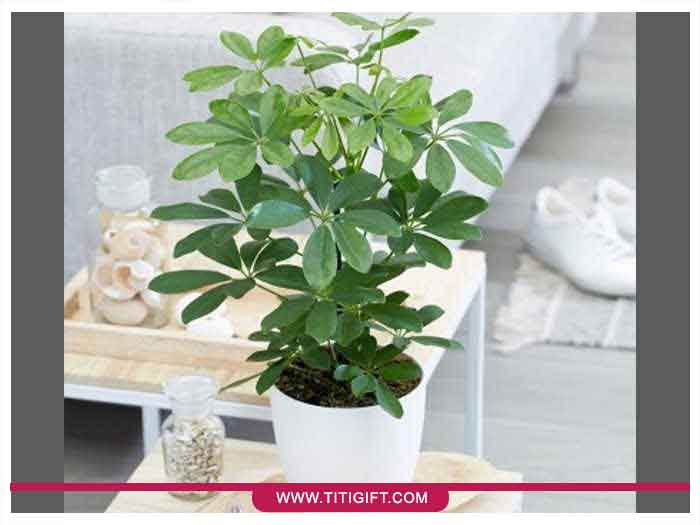 Common Schefflera Pests and Diseases
• Young leaves have fewer leaflets: This is normal. Mature leaves typically develop seven leaflets.
• Variegated leaves lose their color: The plant is not receiving enough light. Move it to a brighter location with indirect sunlight.
• White cotton-like masses appear on the leaves: Mealybugs are the cause. Spray the plant with a systemic insecticide every two weeks until the infestation is eliminated.
• Brown spots appear on stems, leaf stalks, and leaf undersides: Treat the undersides of the leaves with a systemic insecticide and gently clean the affected areas with a soft brush after 48 hours.
• Leaves become distorted, sticky, and covered with green insects: Aphids are present. Apply a systemic or contact insecticide weekly according to the product instructions until the pests disappear.
• Leaves turn yellow and show fine webbing underneath: This indicates a spider mite infestation. Spray with a suitable miticide every 14 days. Regular misting also helps reduce spider mite populations.
• Long stems with wide spaces between leaves: The environment is too warm. Move the plant to a cooler, well-ventilated location. Avoid misting under these conditions.
• The plant is wilted and leaves are drooping: The plant is thirsty. Place the pot in a basin of water for about 15 minutes and continue regular misting afterward.
• Leaves become pale yellow: The soil lacks essential nutrients. Feed the plant with a balanced fertilizer every two weeks.
• Leaves turn yellow and fall off: Overwatering is the most common cause. Allow the top layer of soil to dry between waterings, check that the drainage holes are not blocked, and always empty excess water from the saucer beneath the pot.